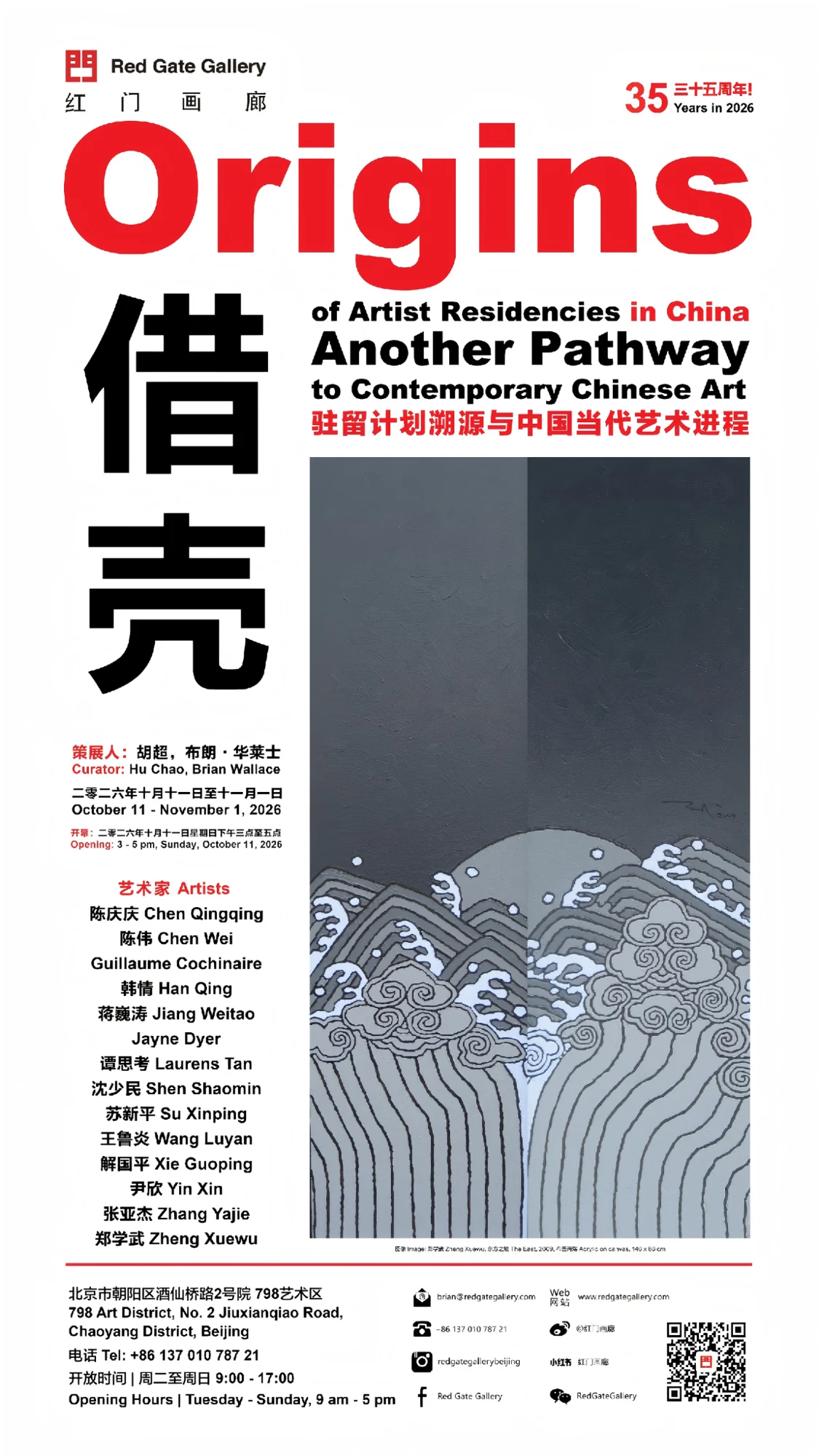
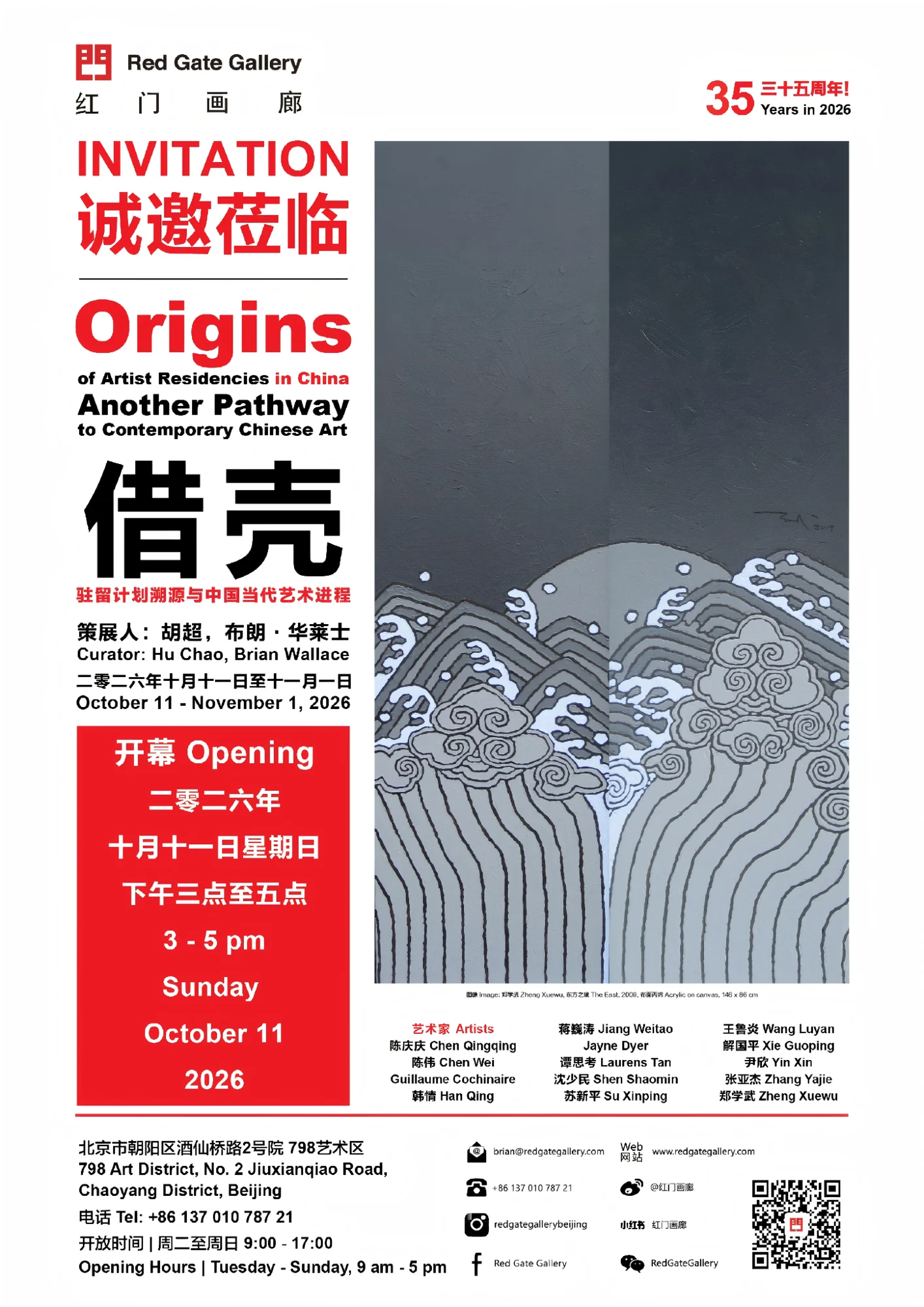
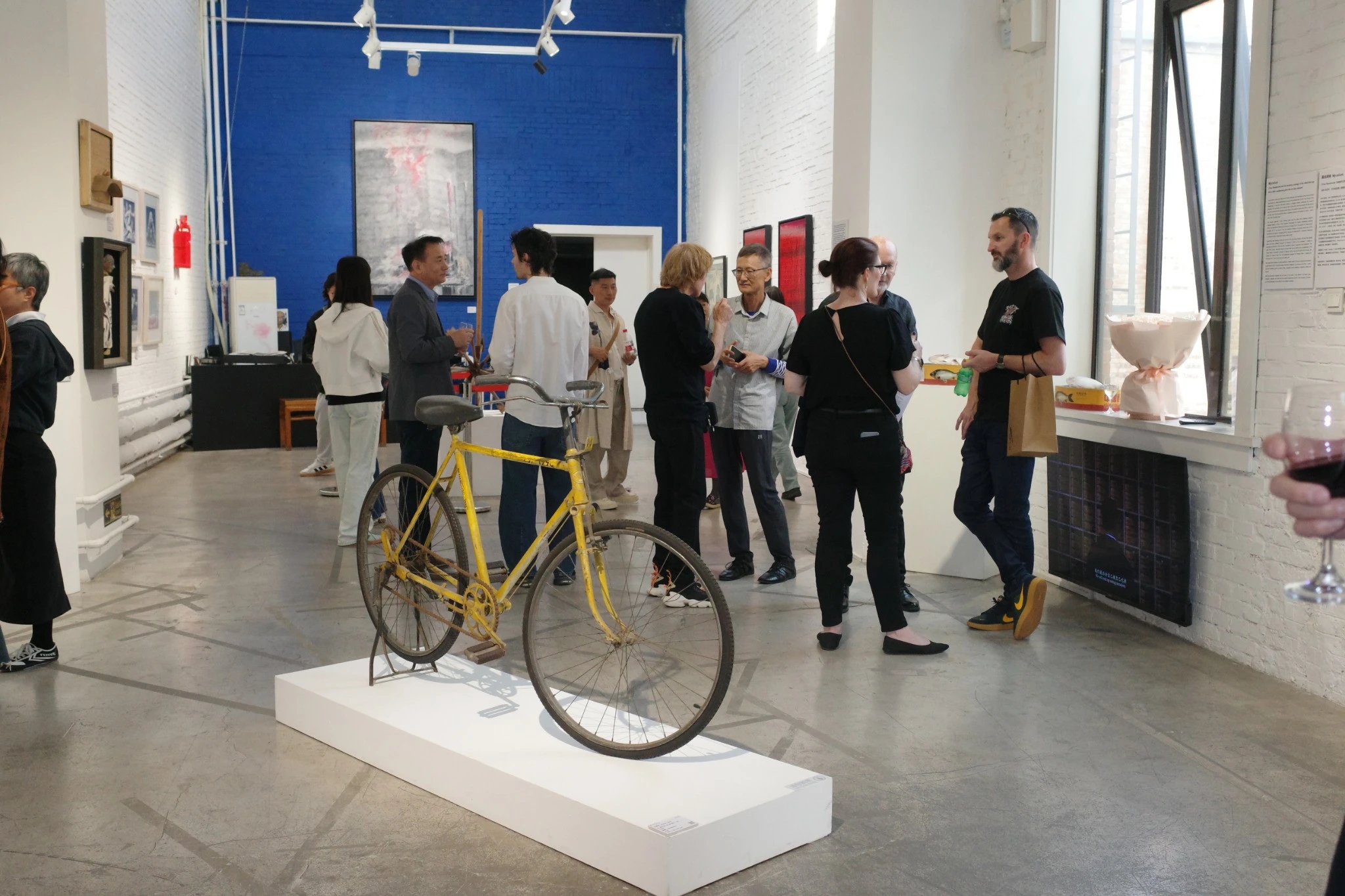
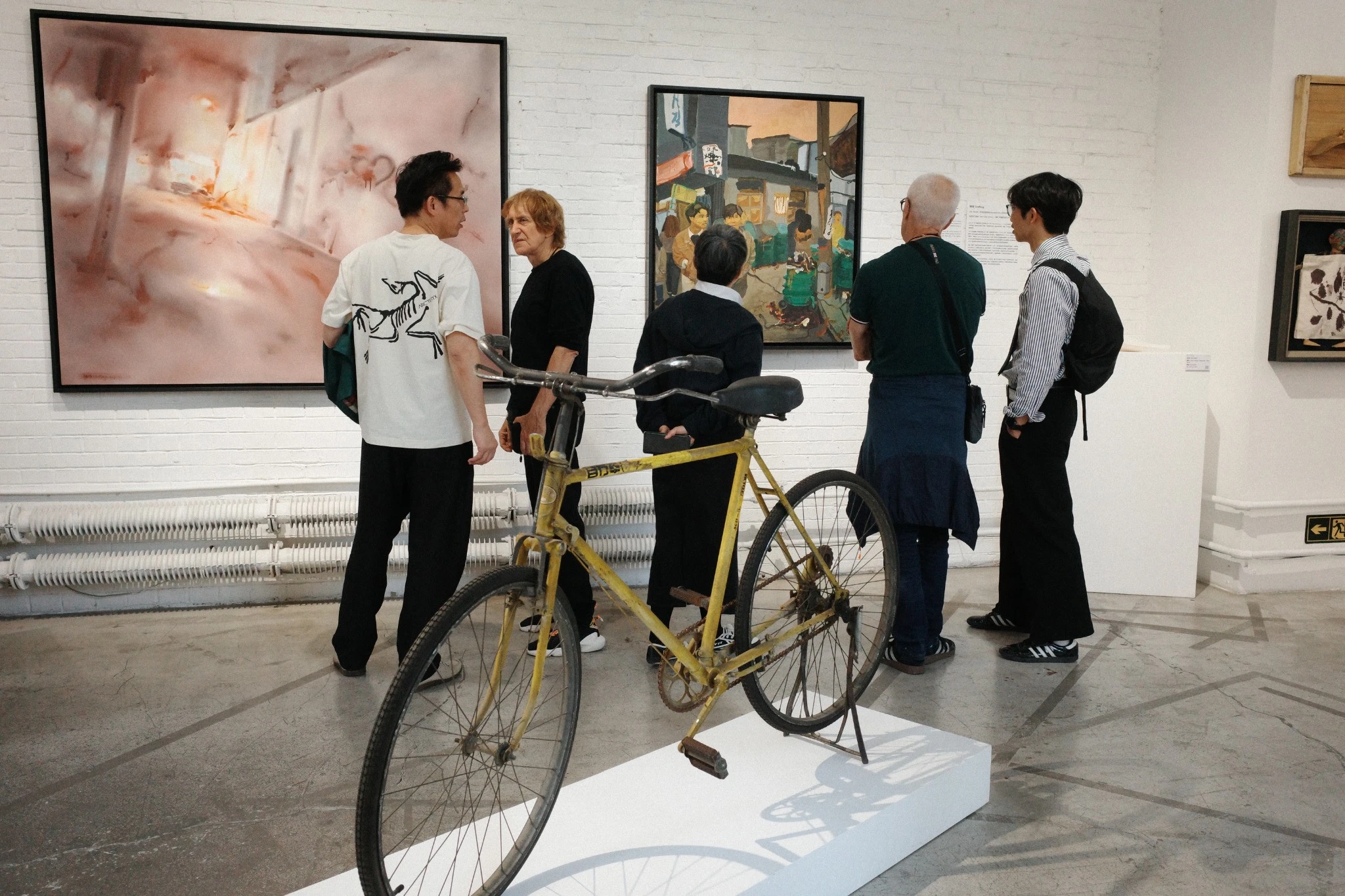
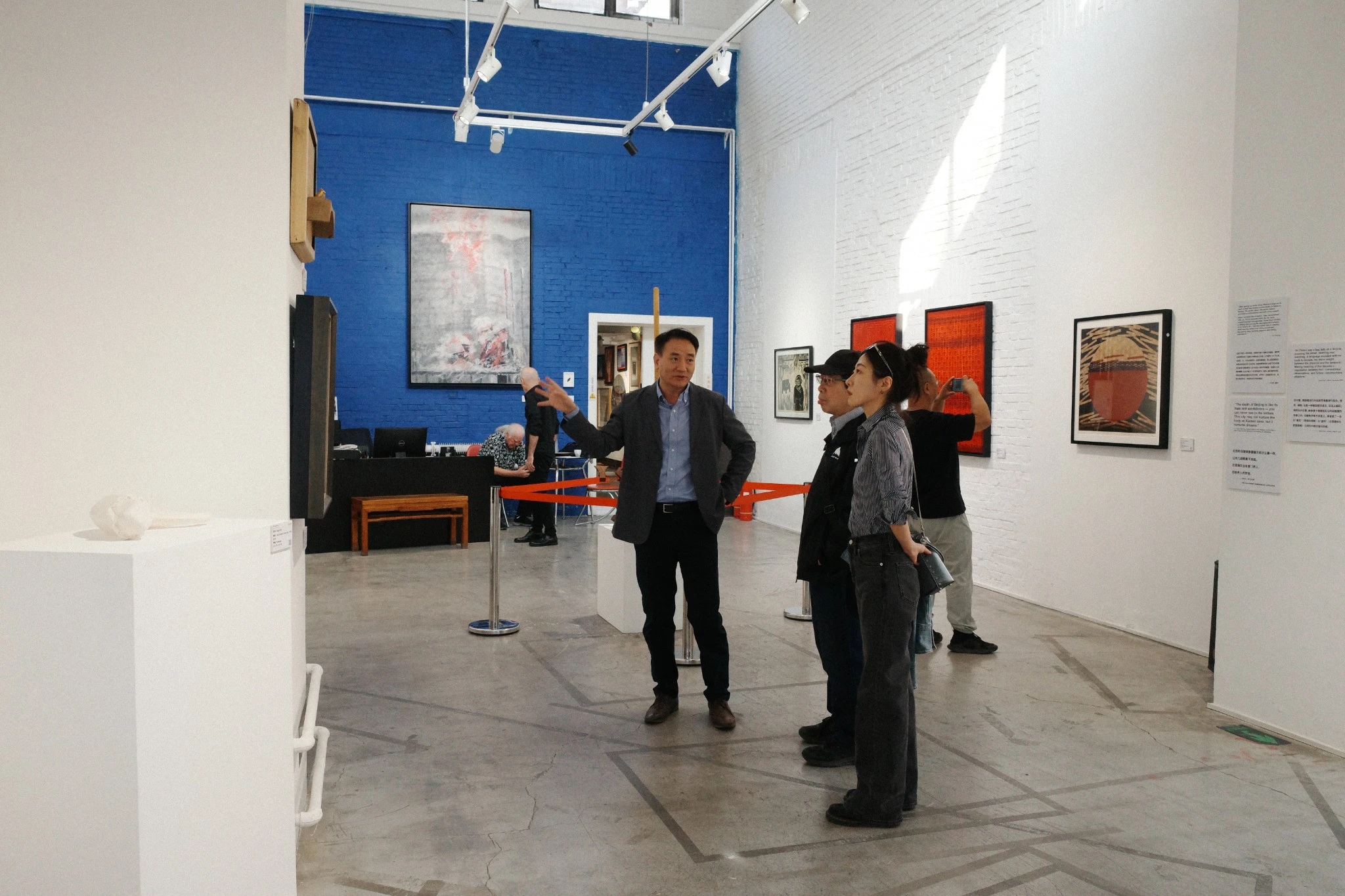
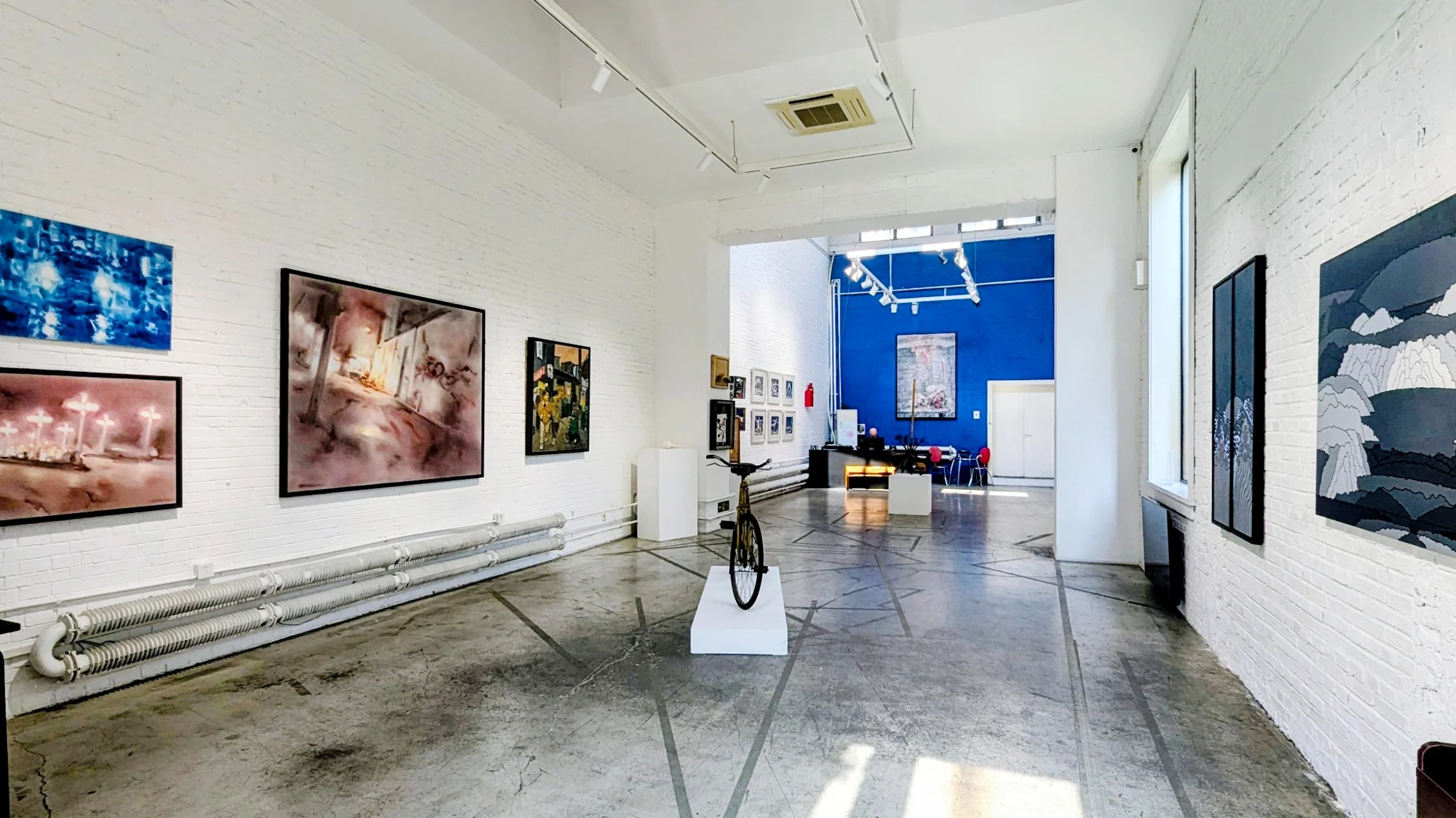
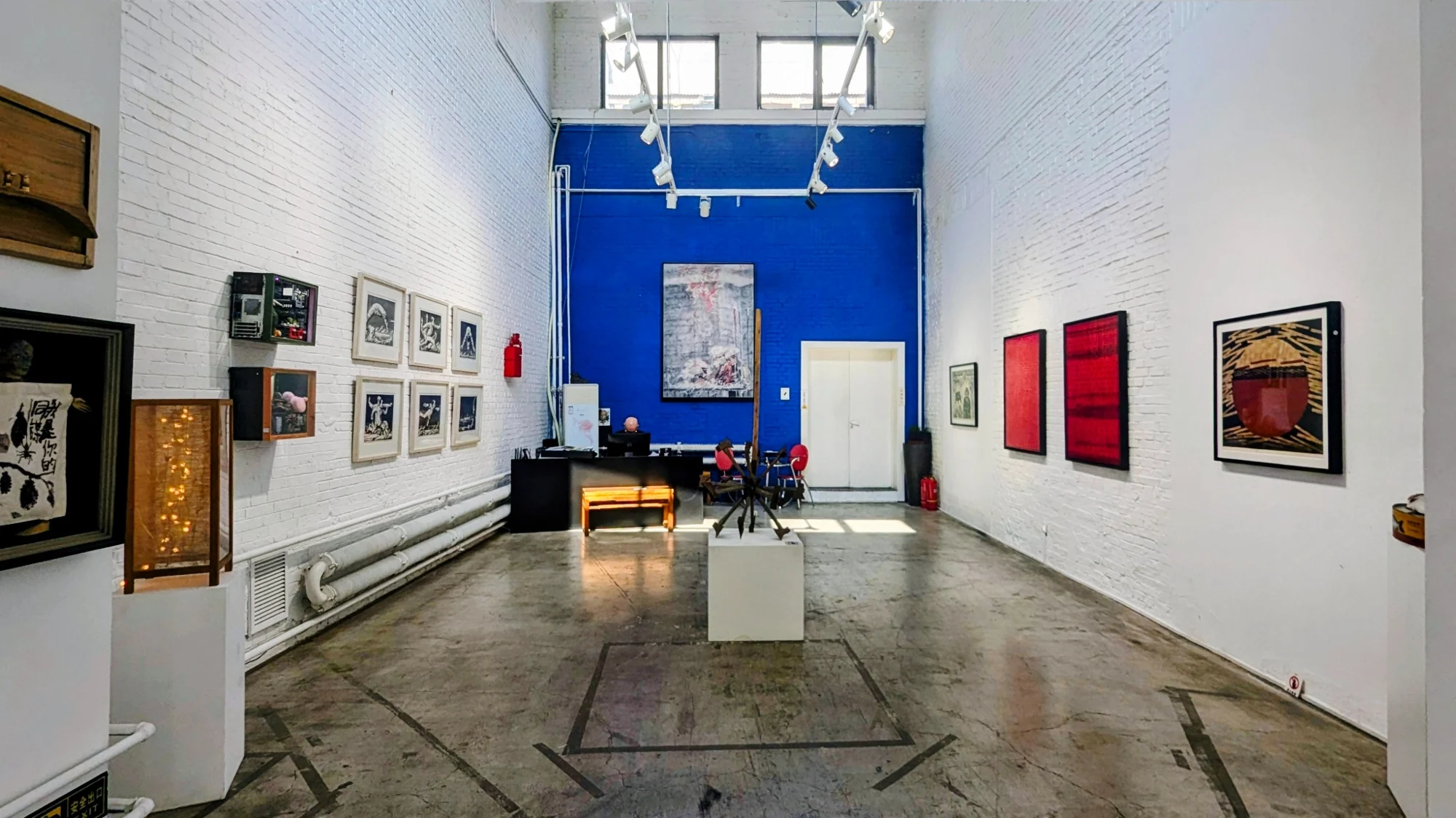
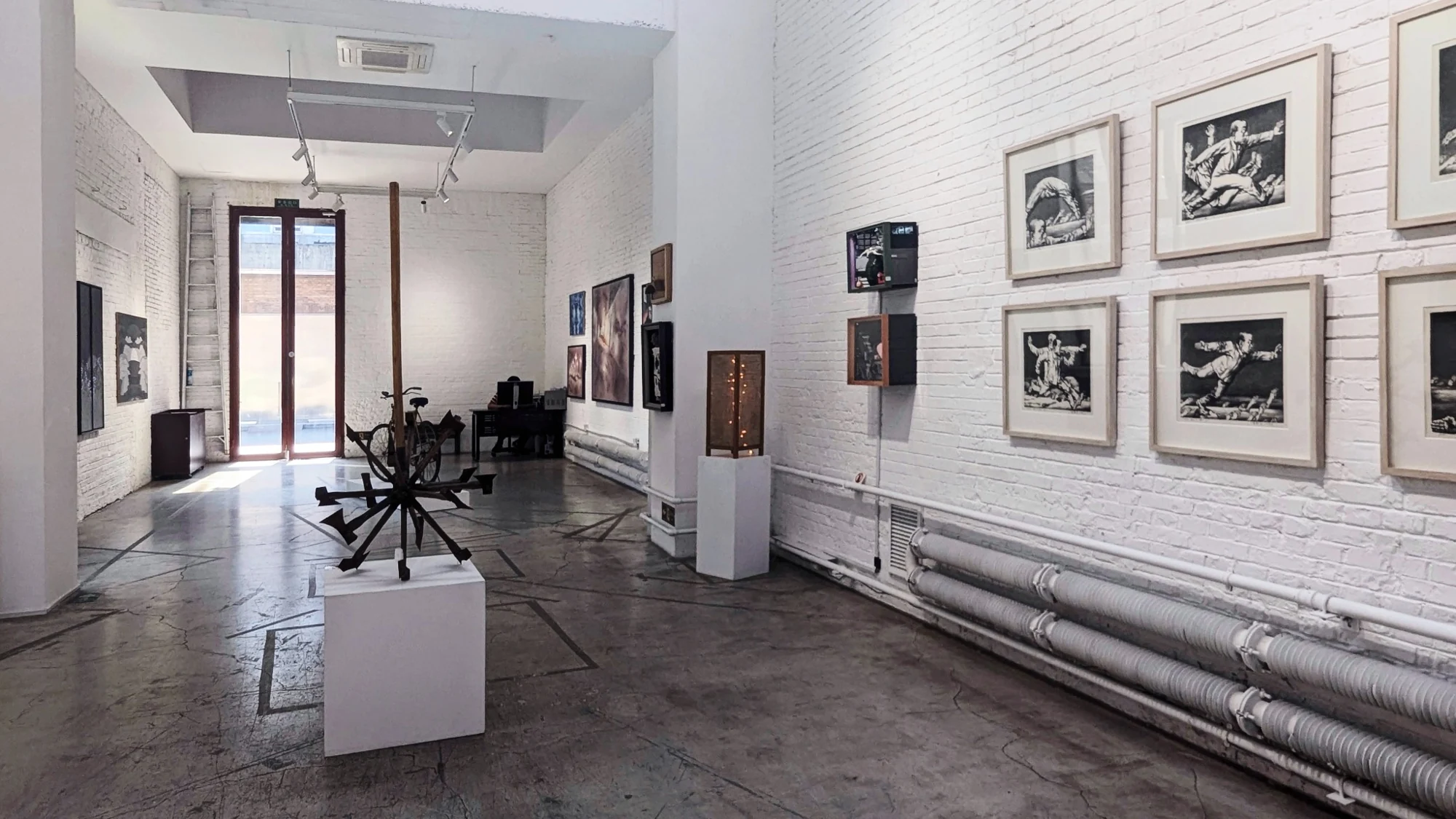
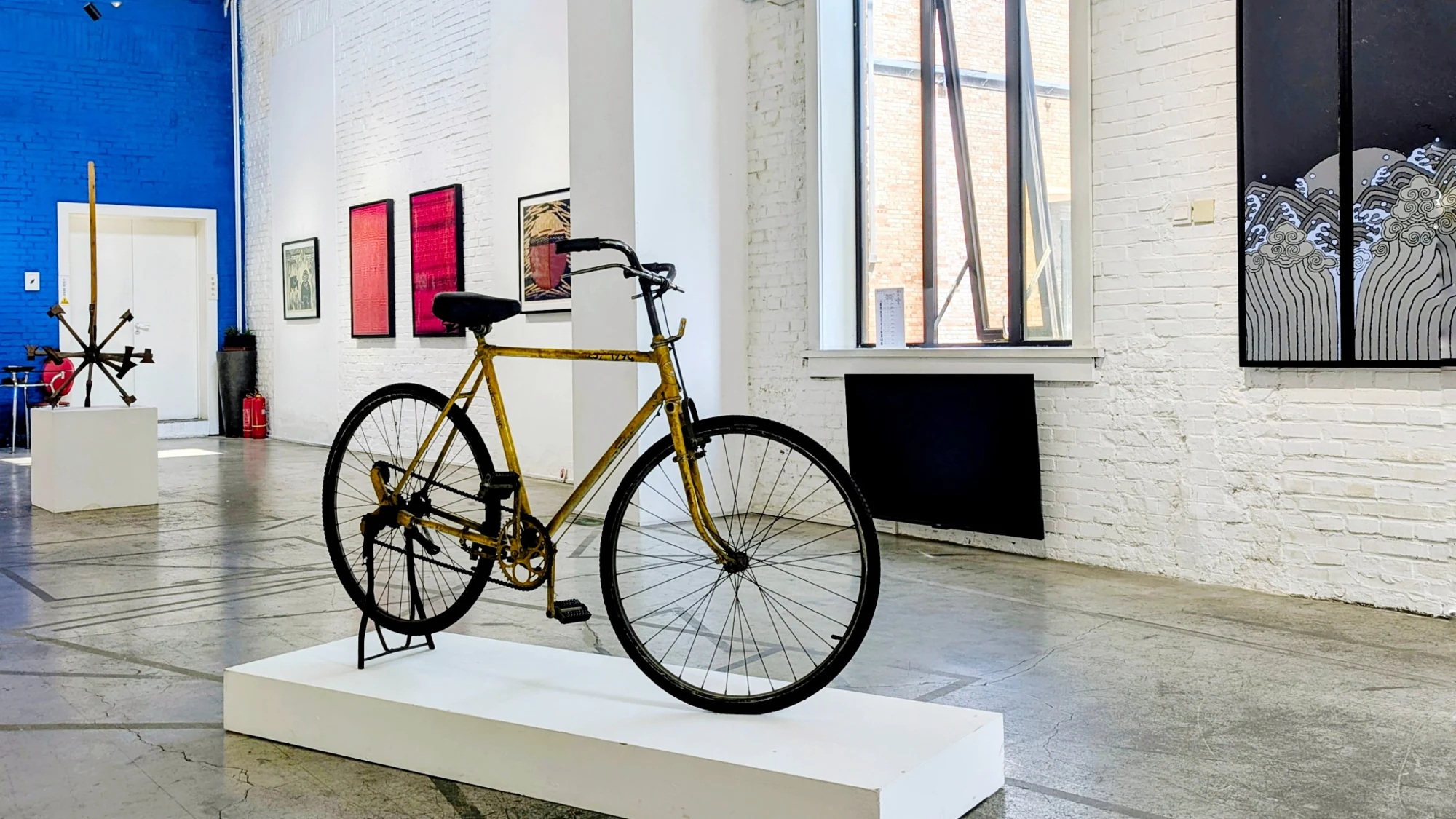
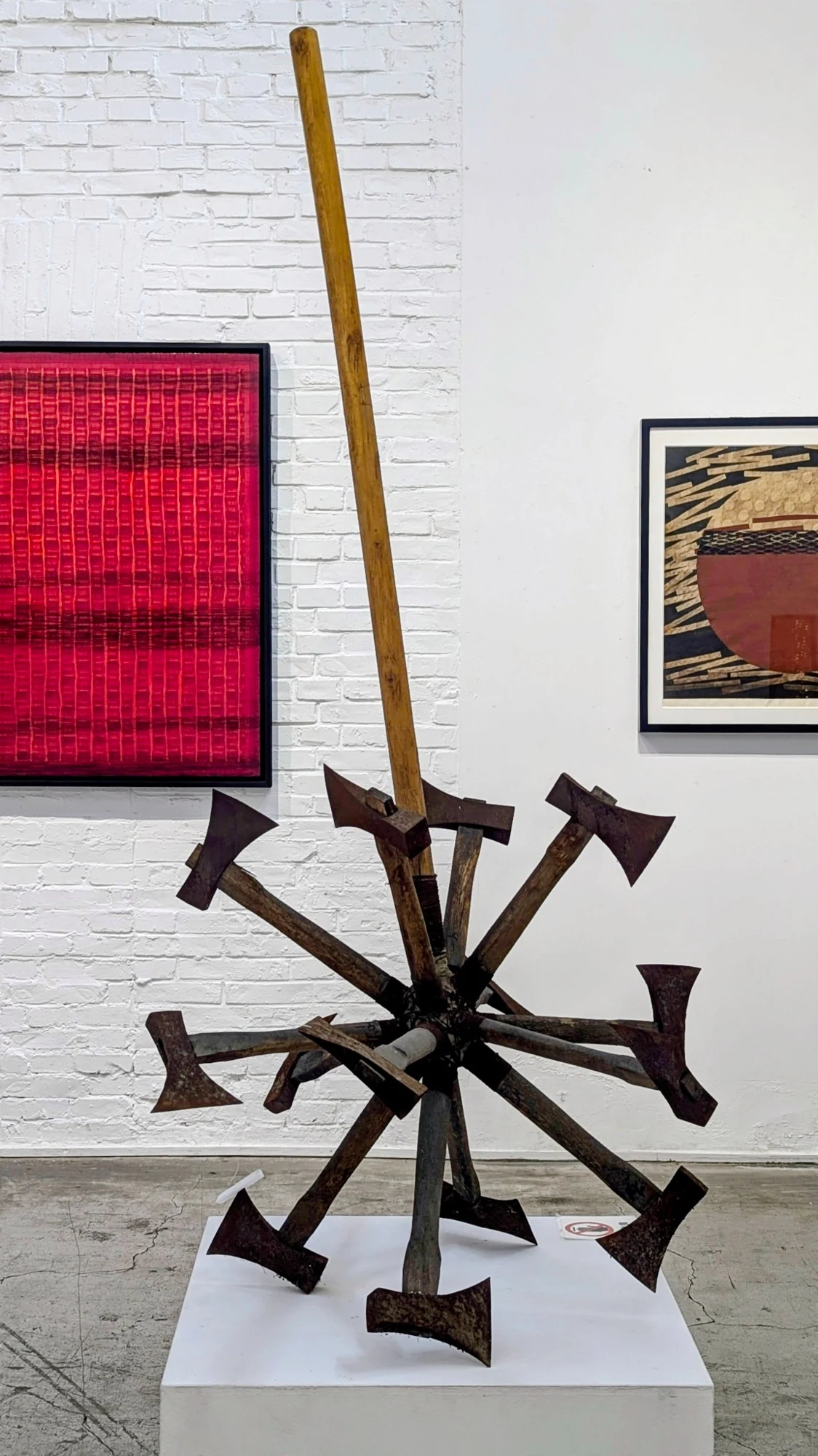
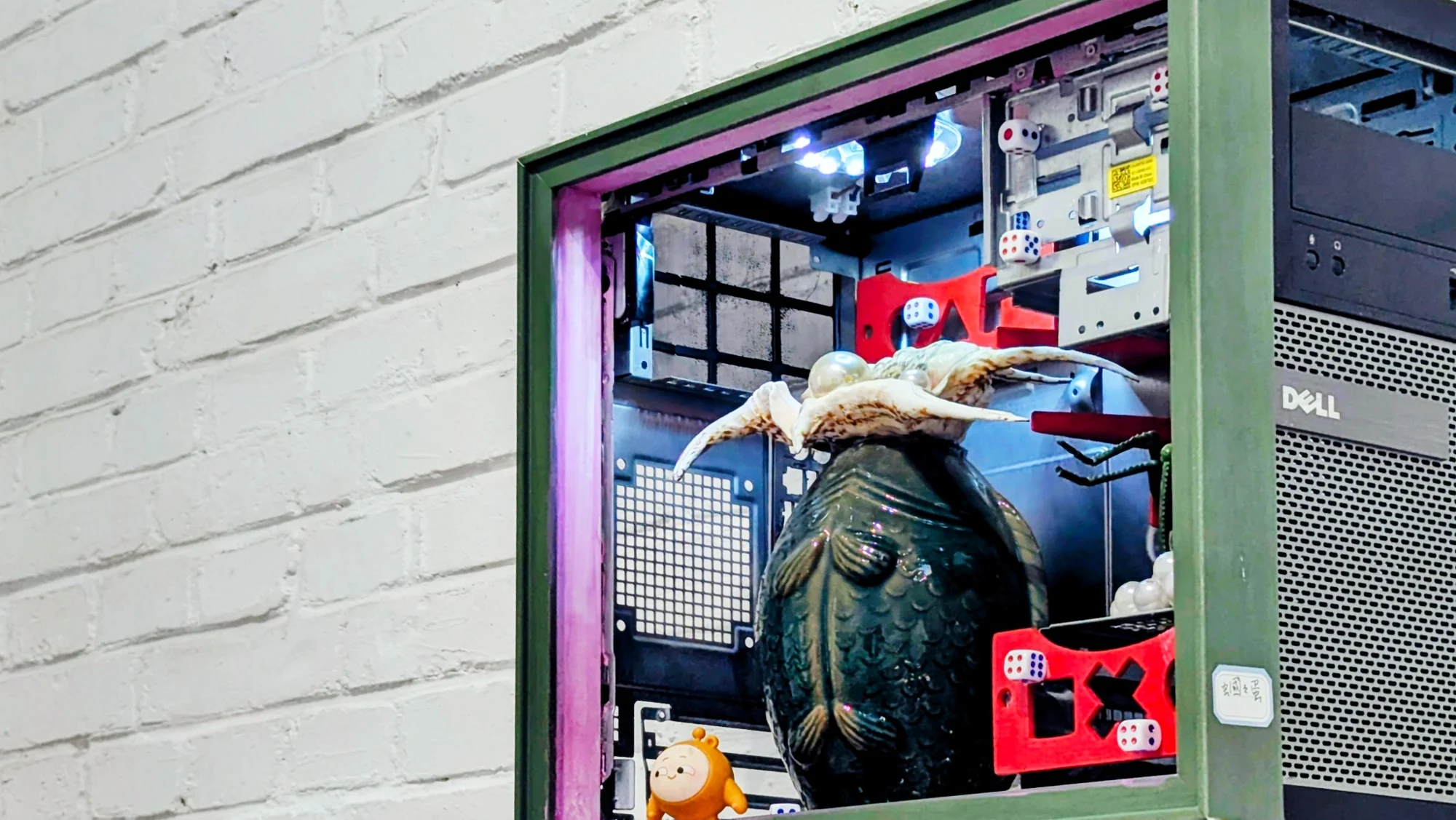
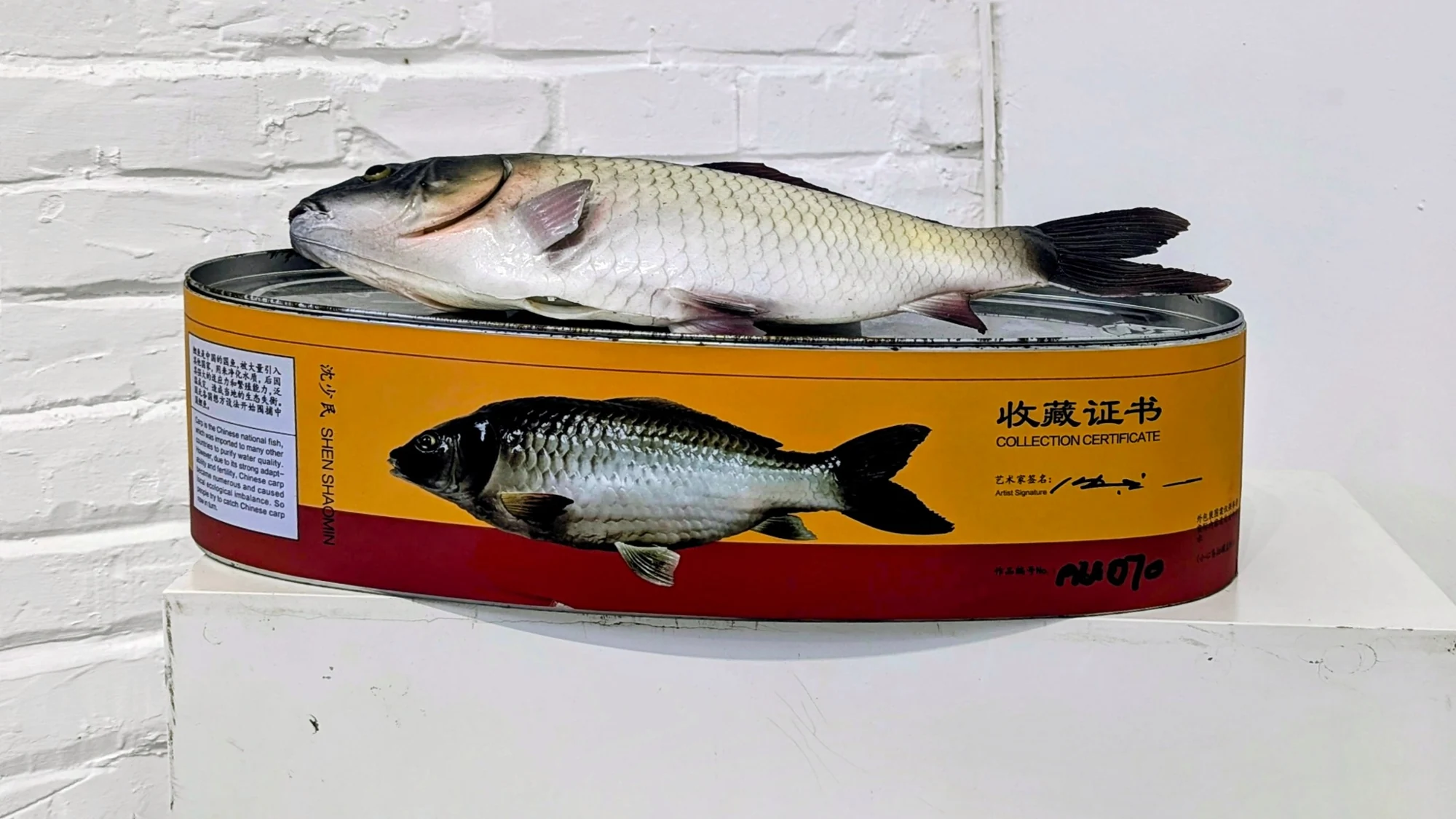
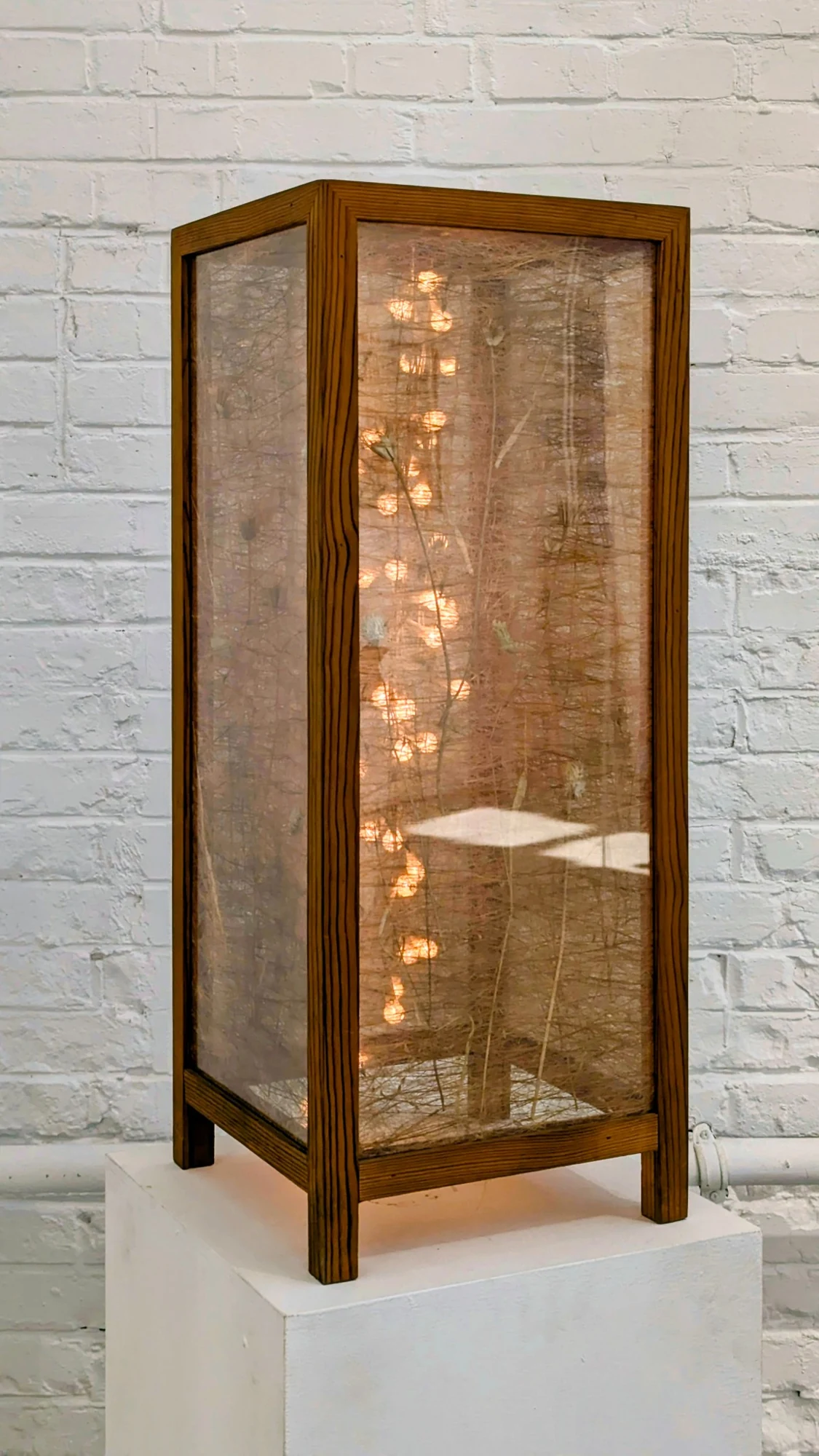
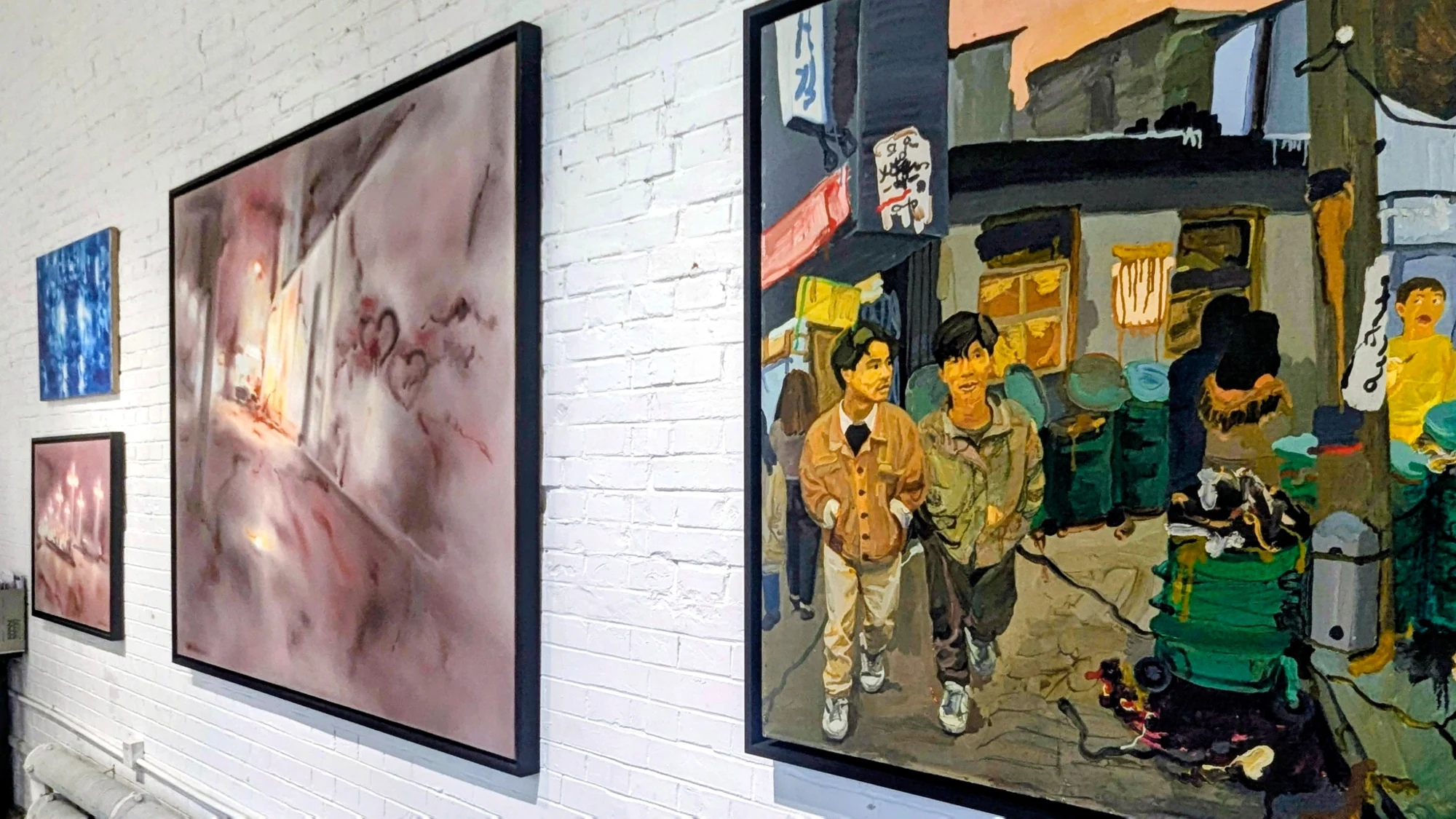
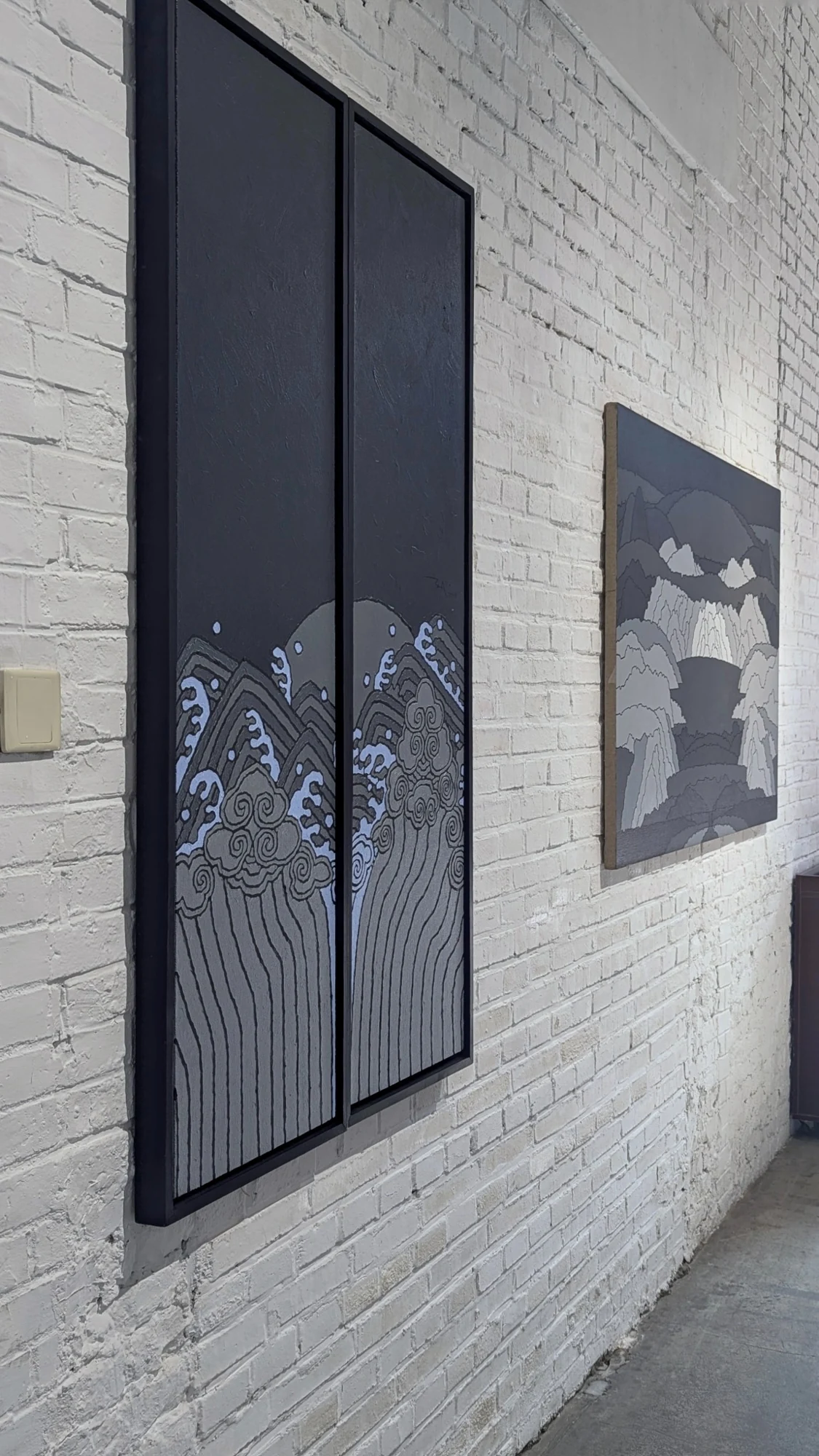
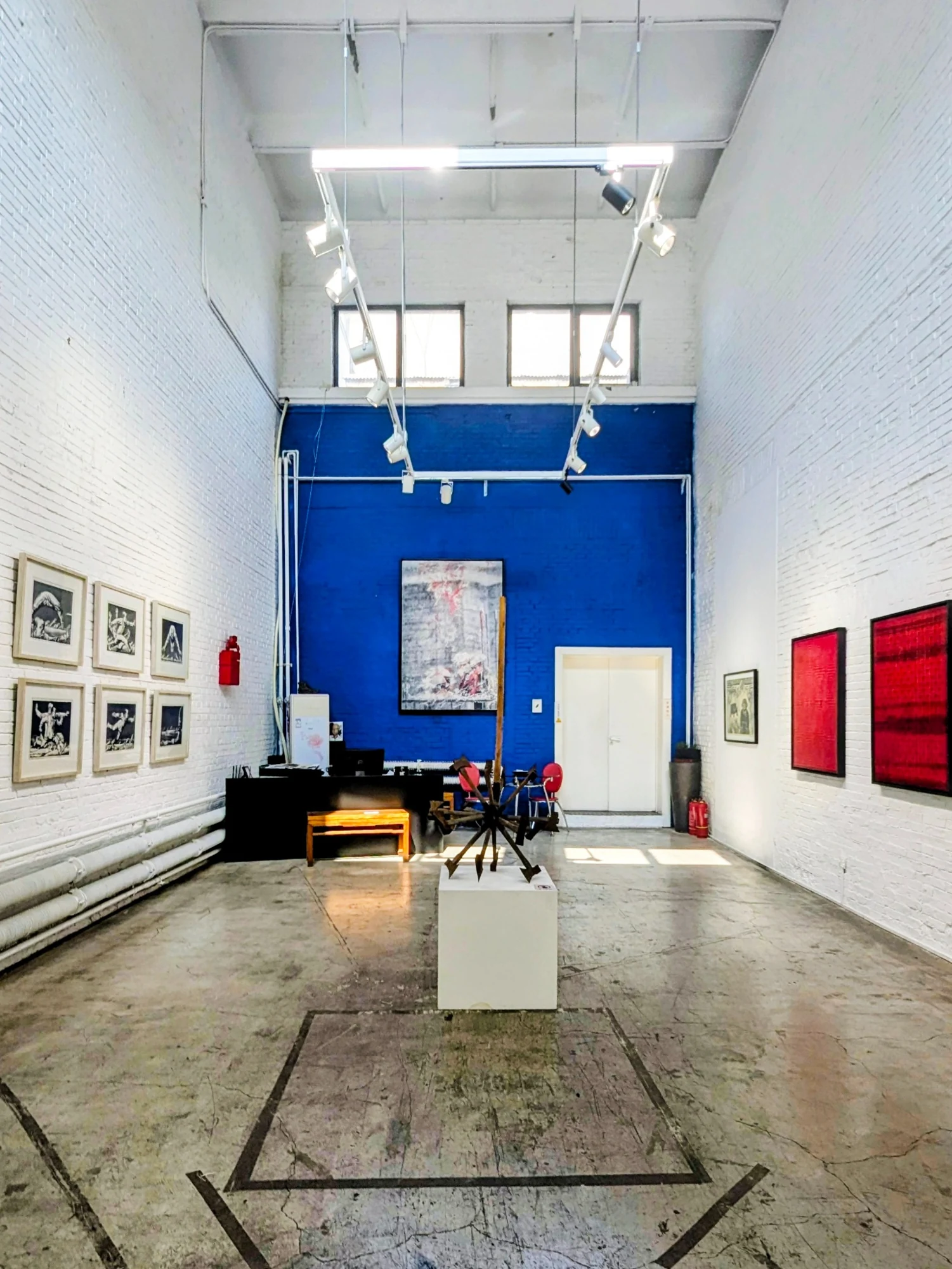
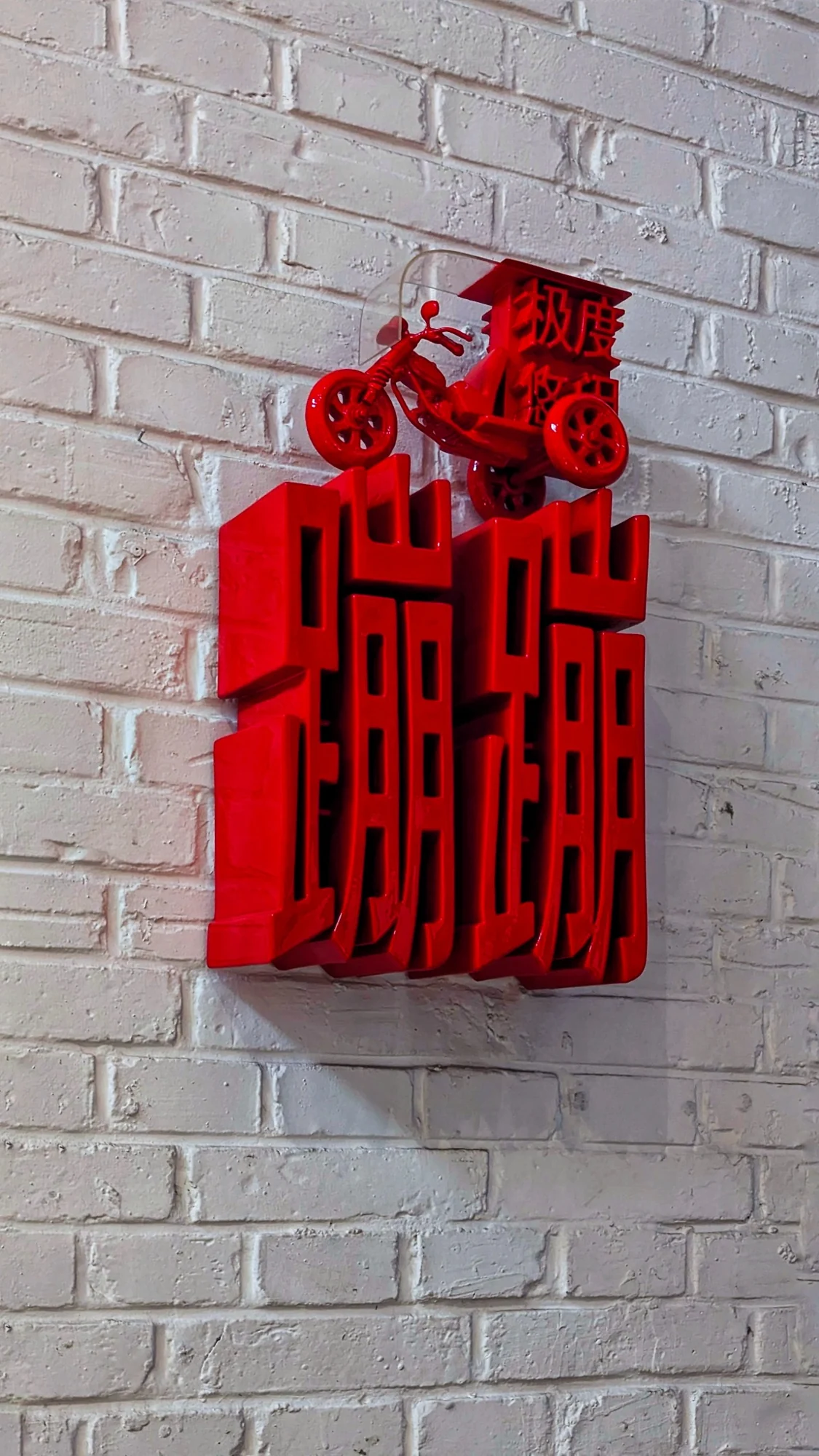
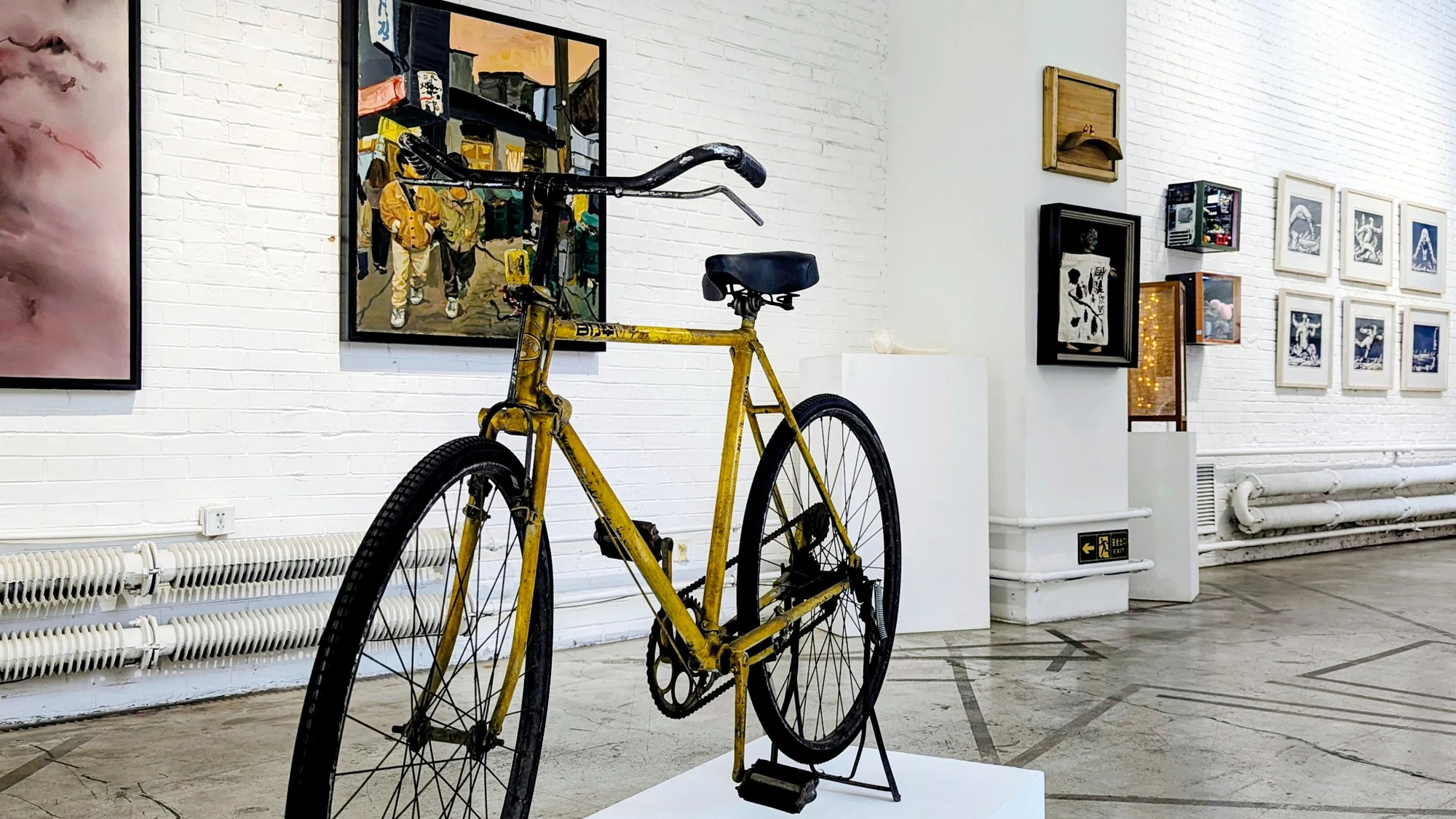
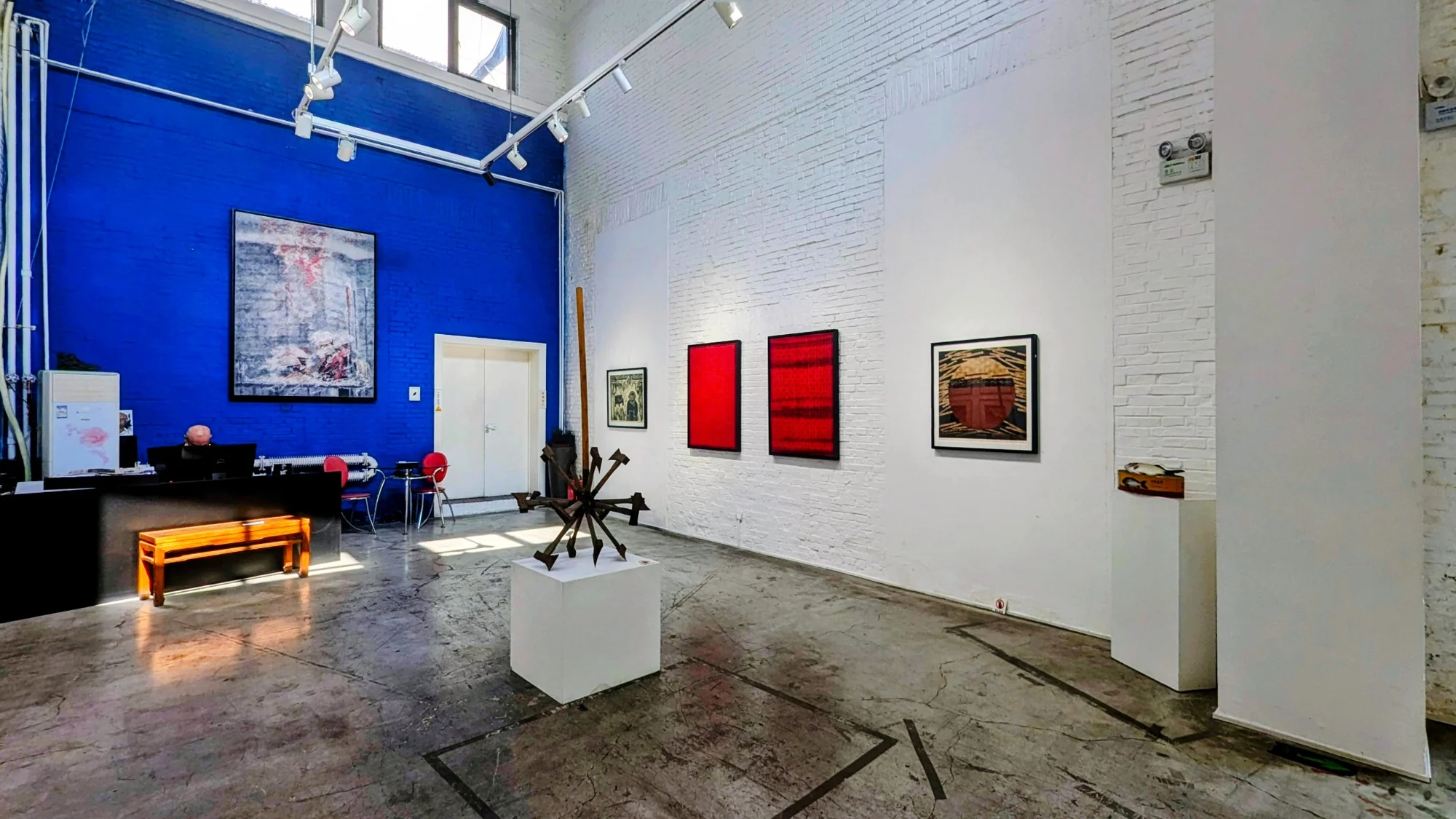
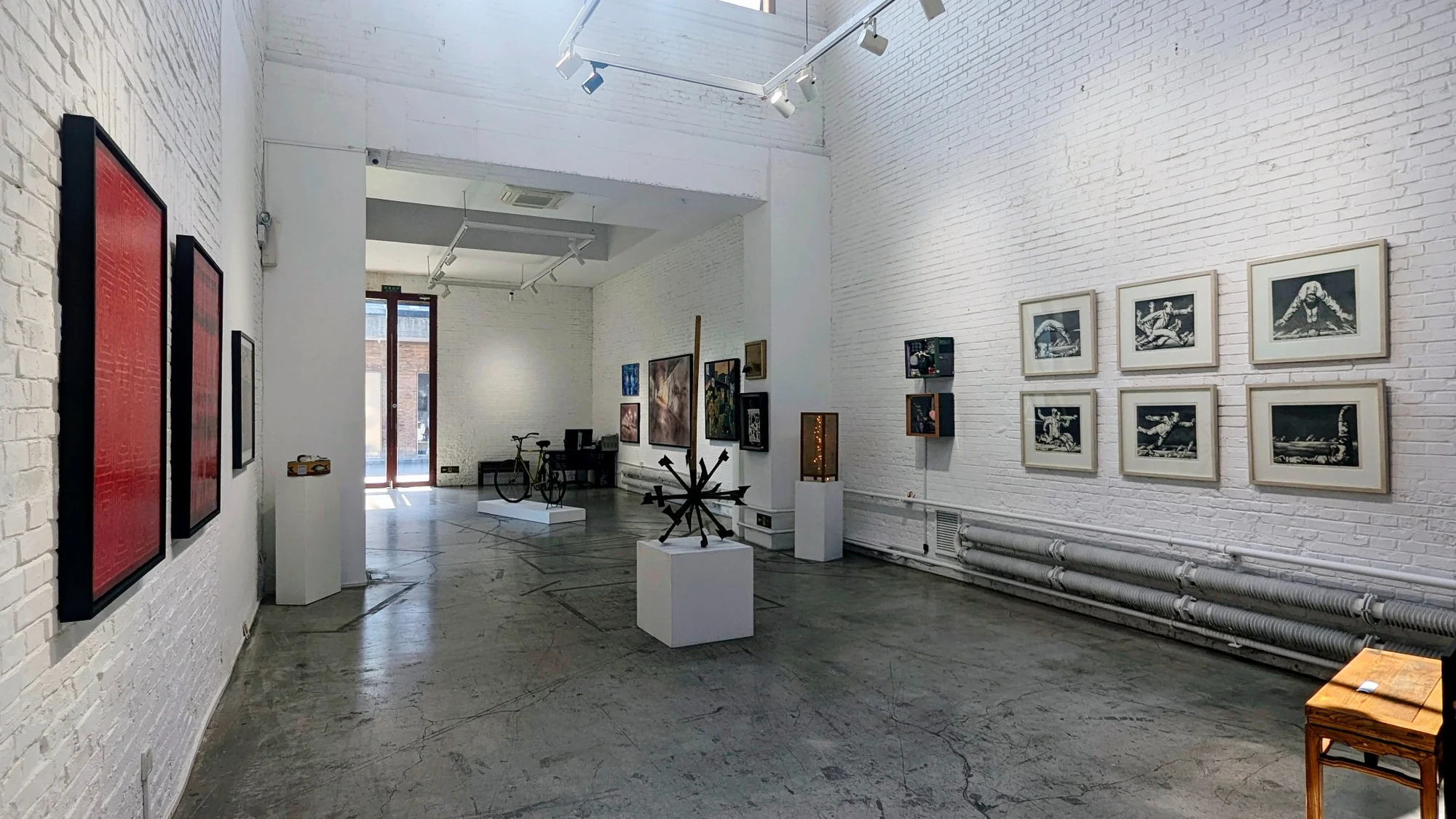
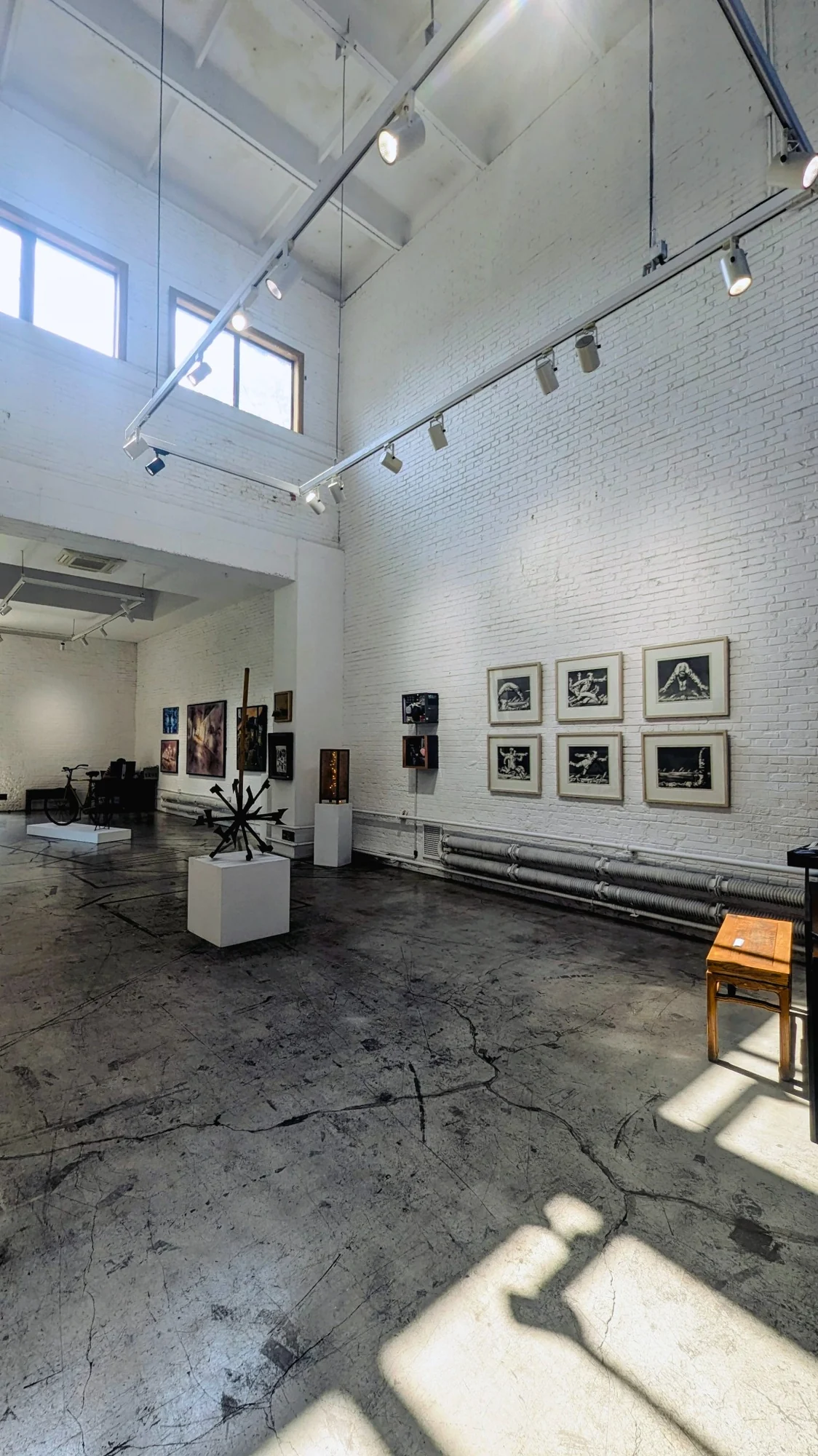
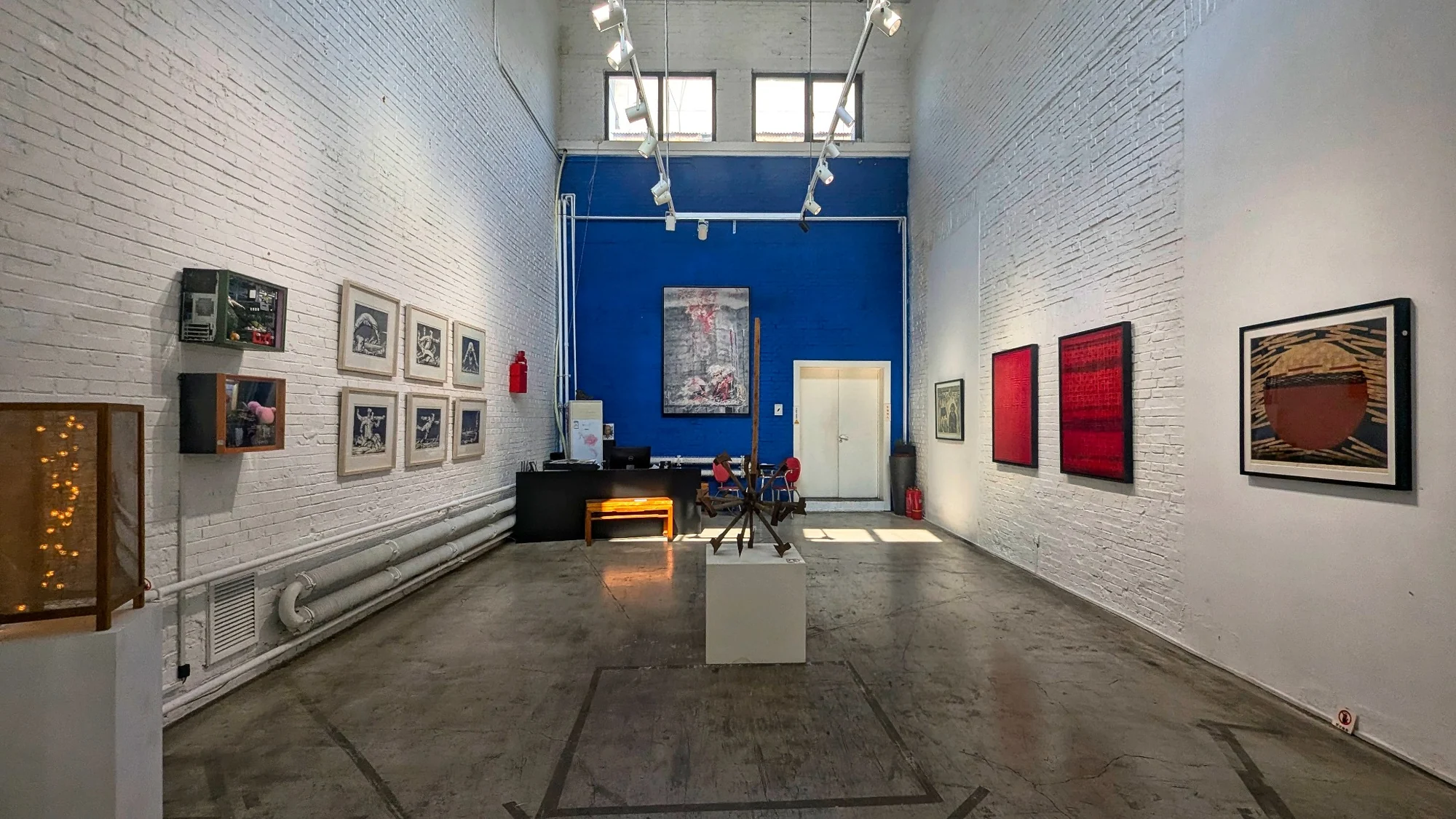
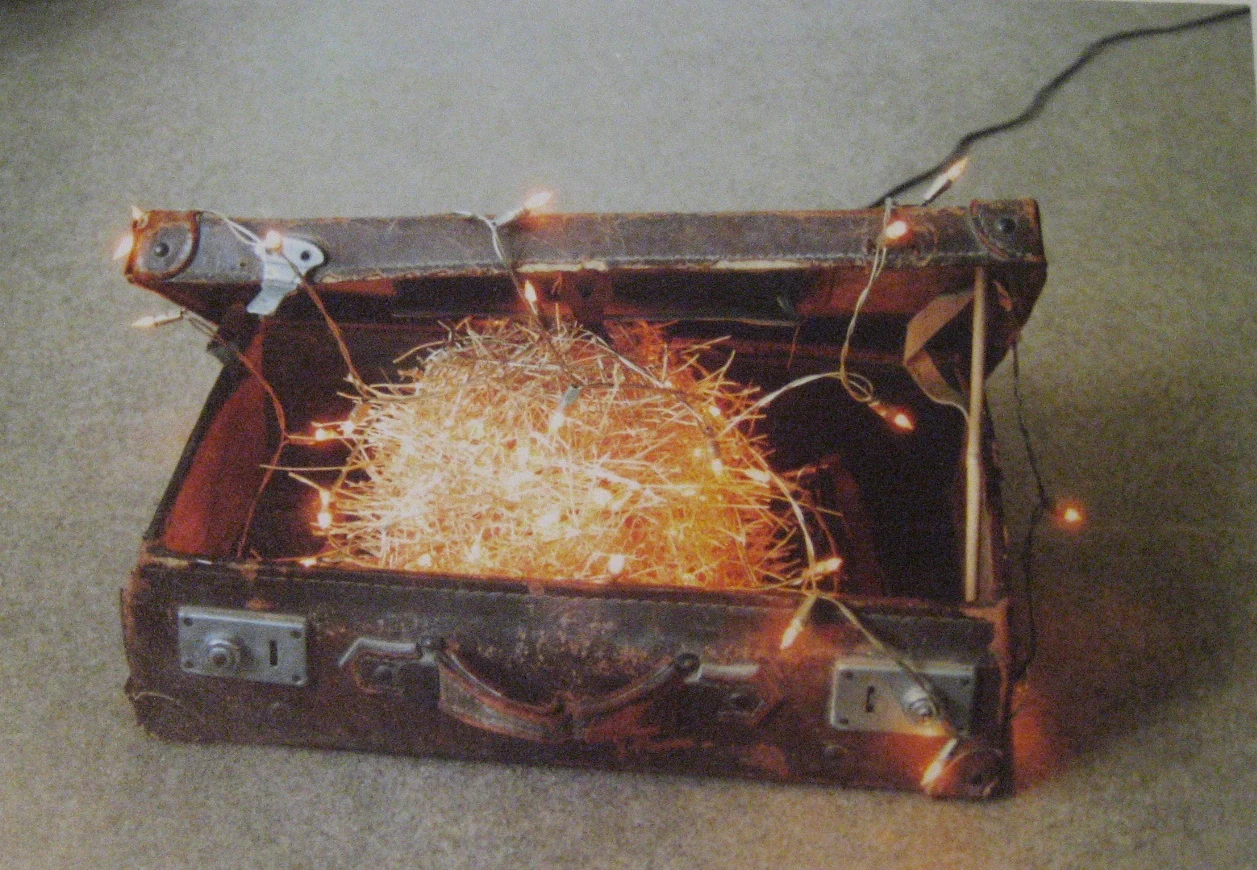
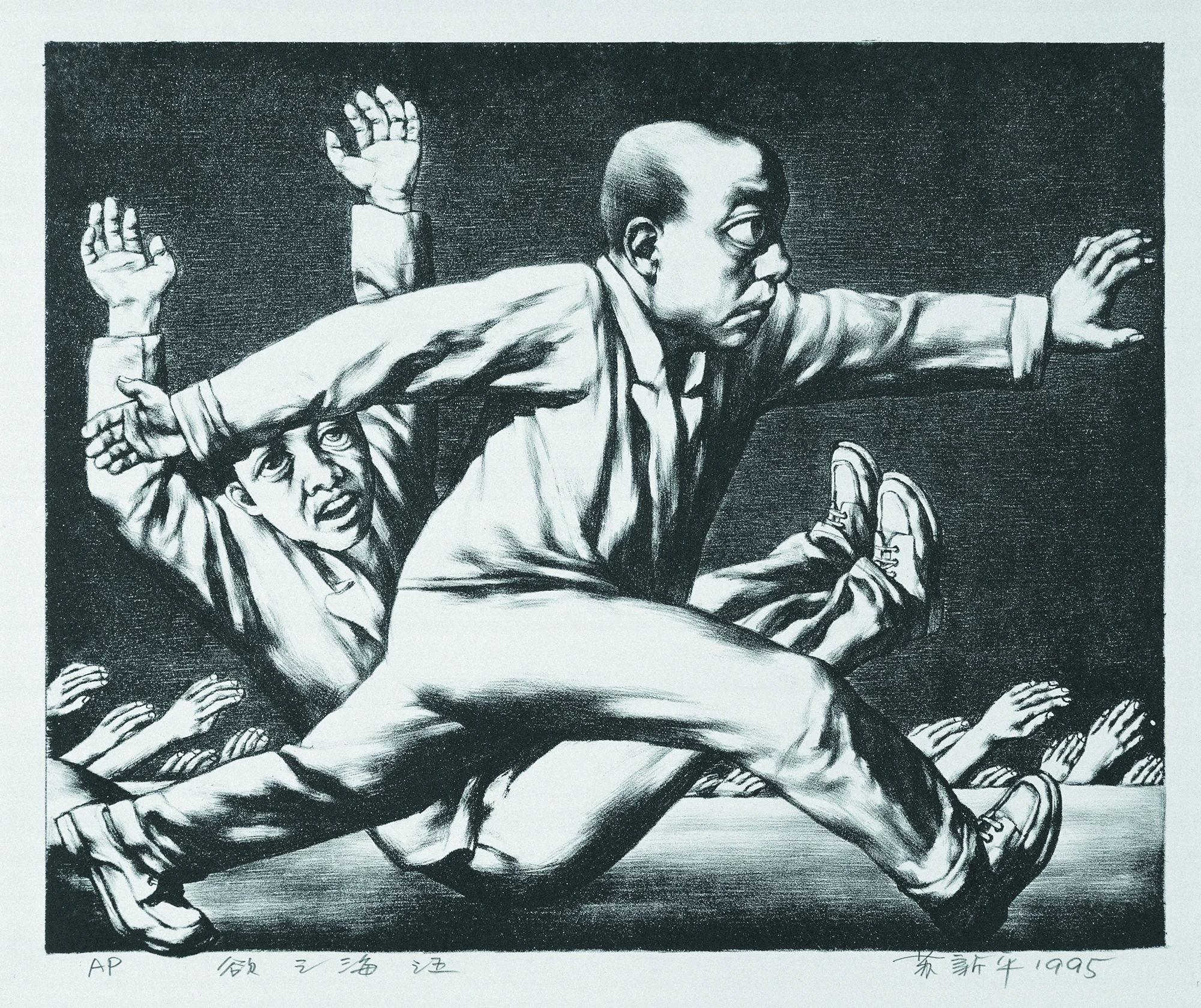
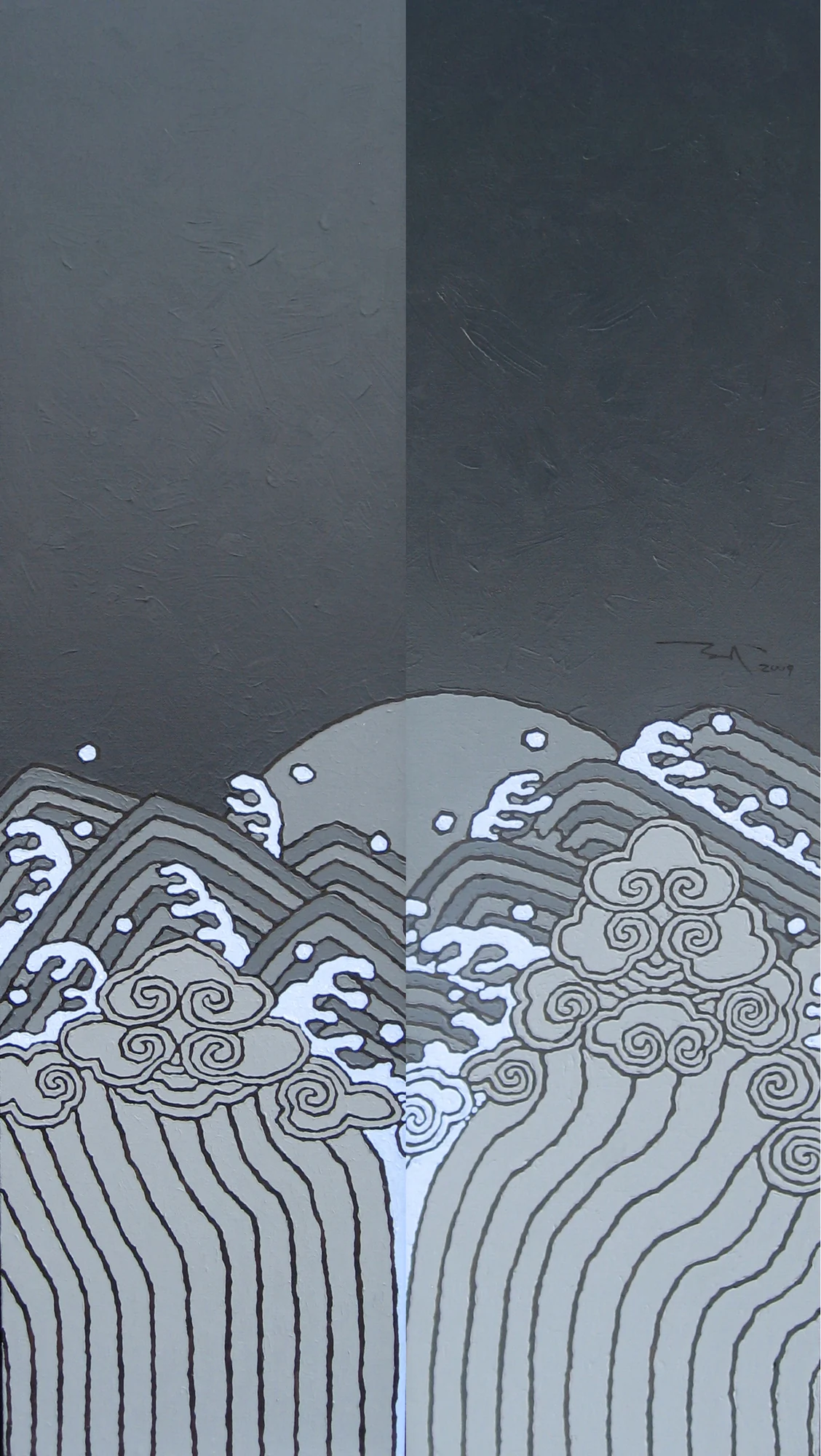
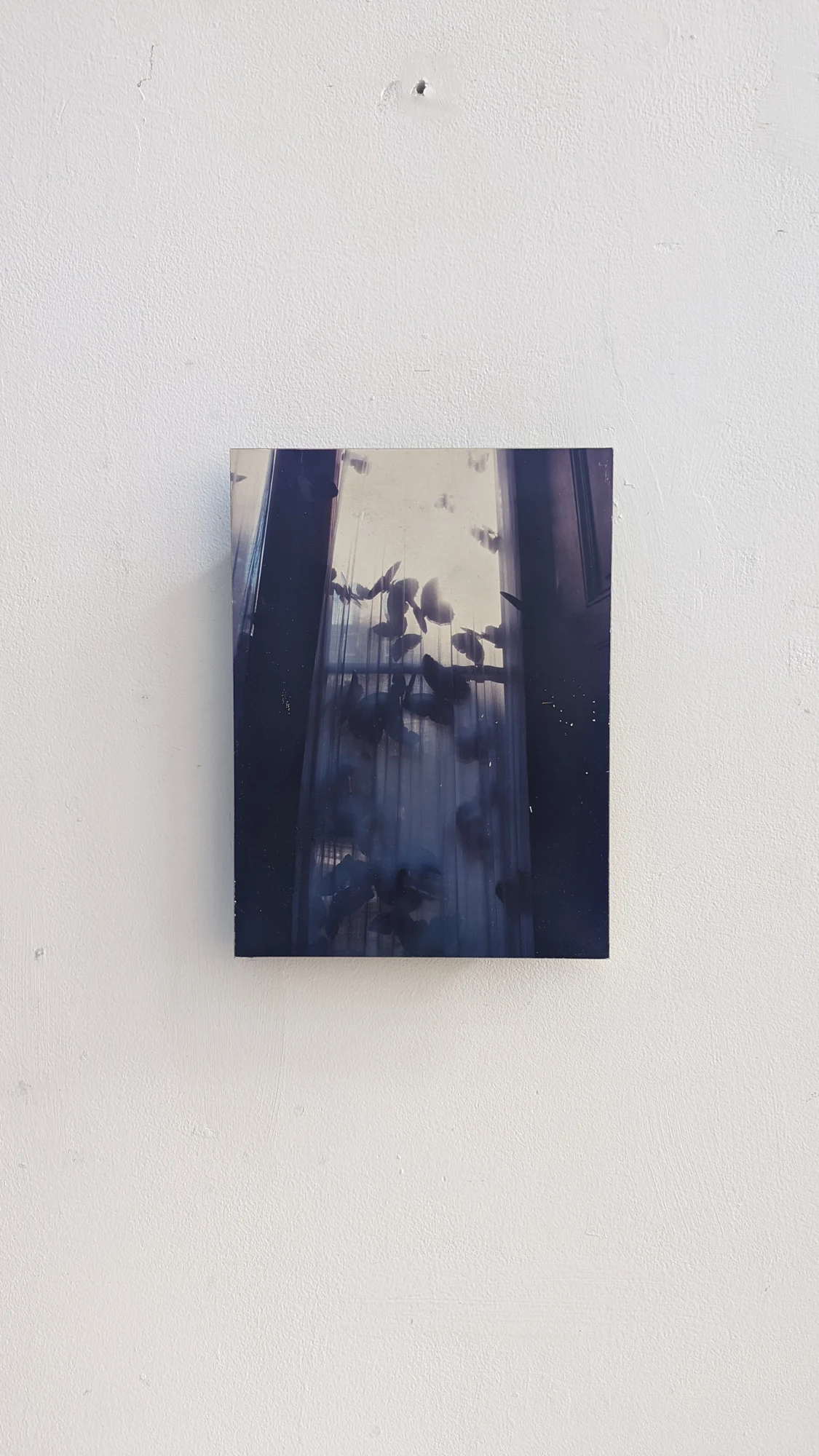
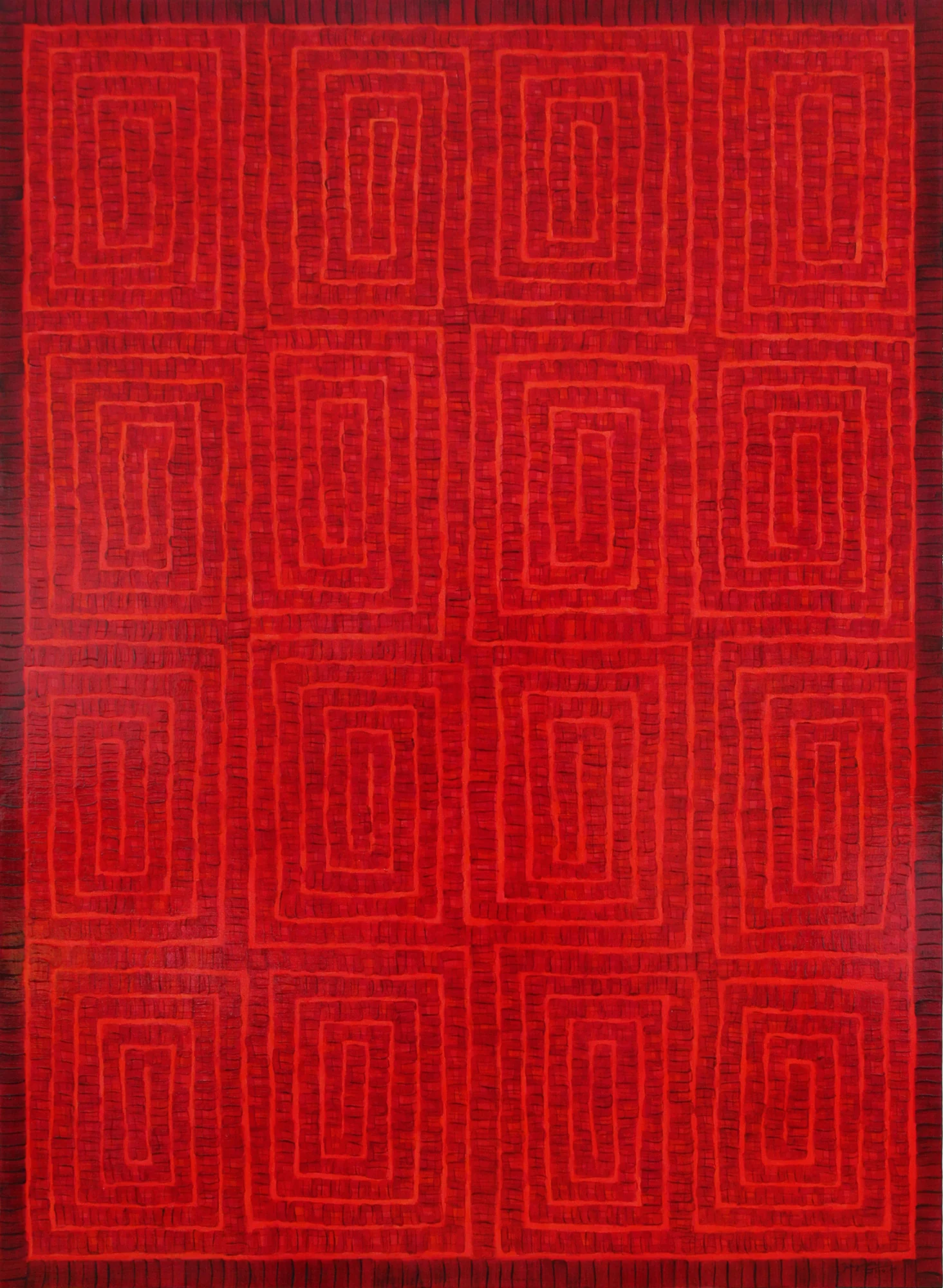
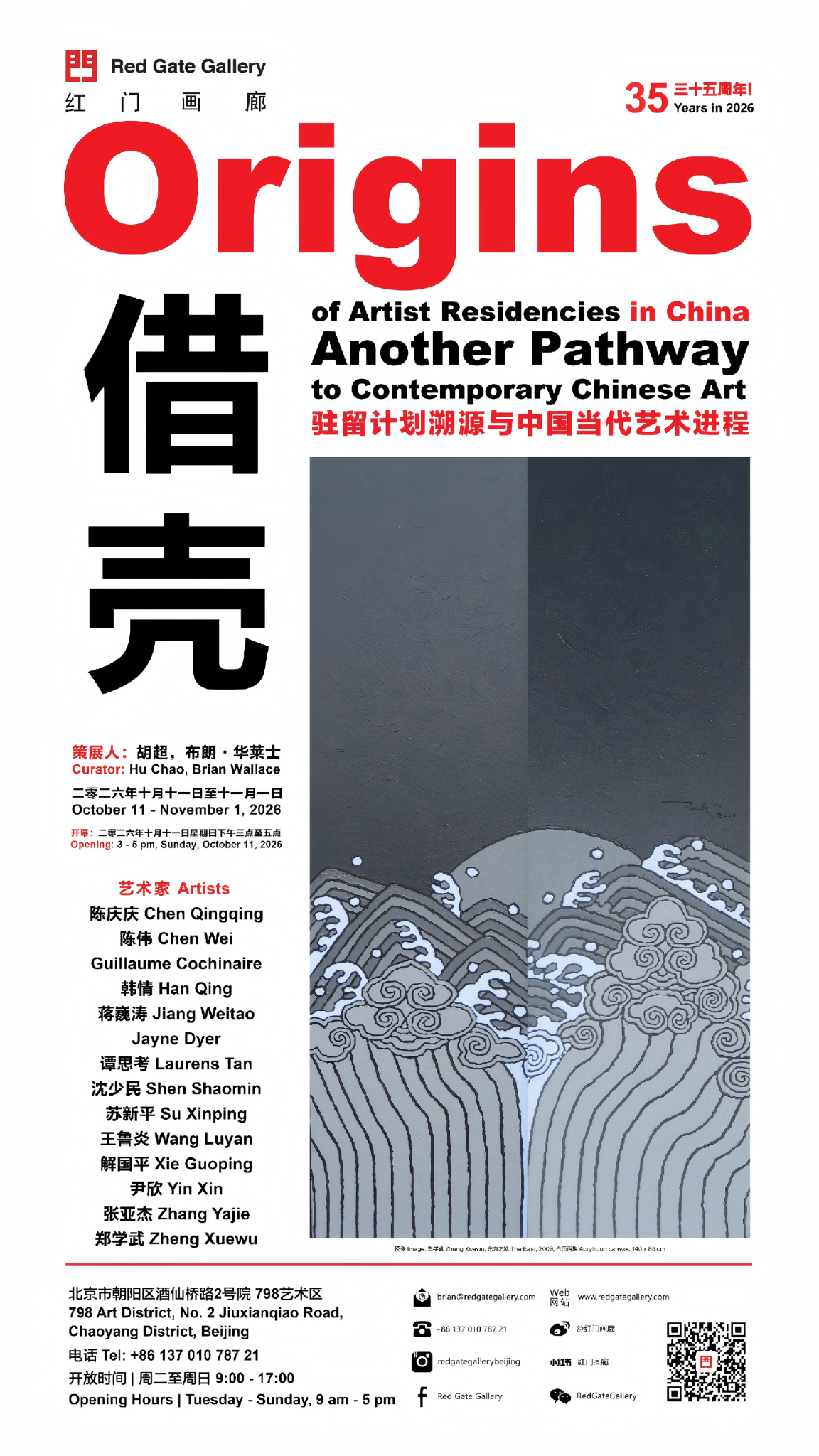
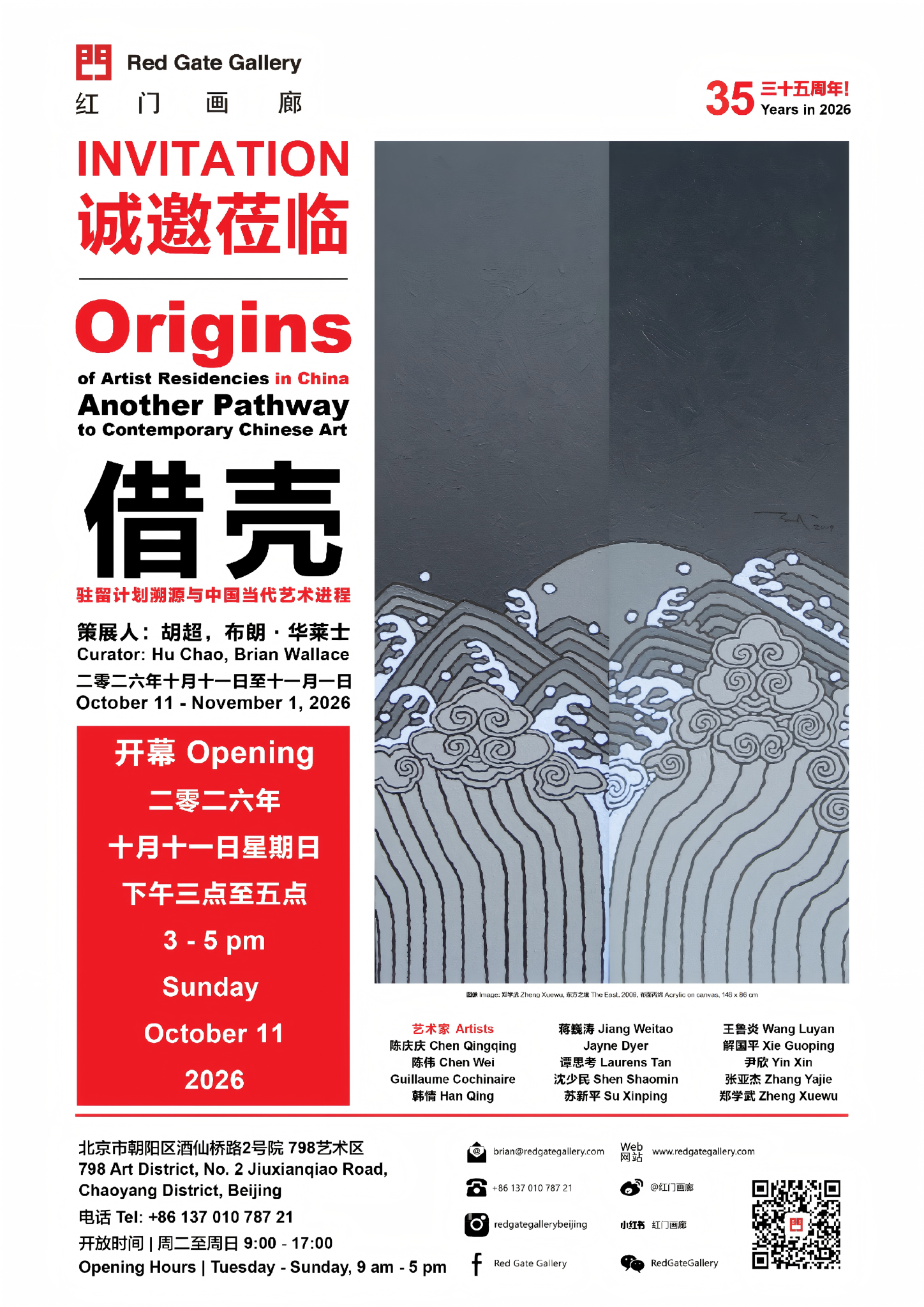
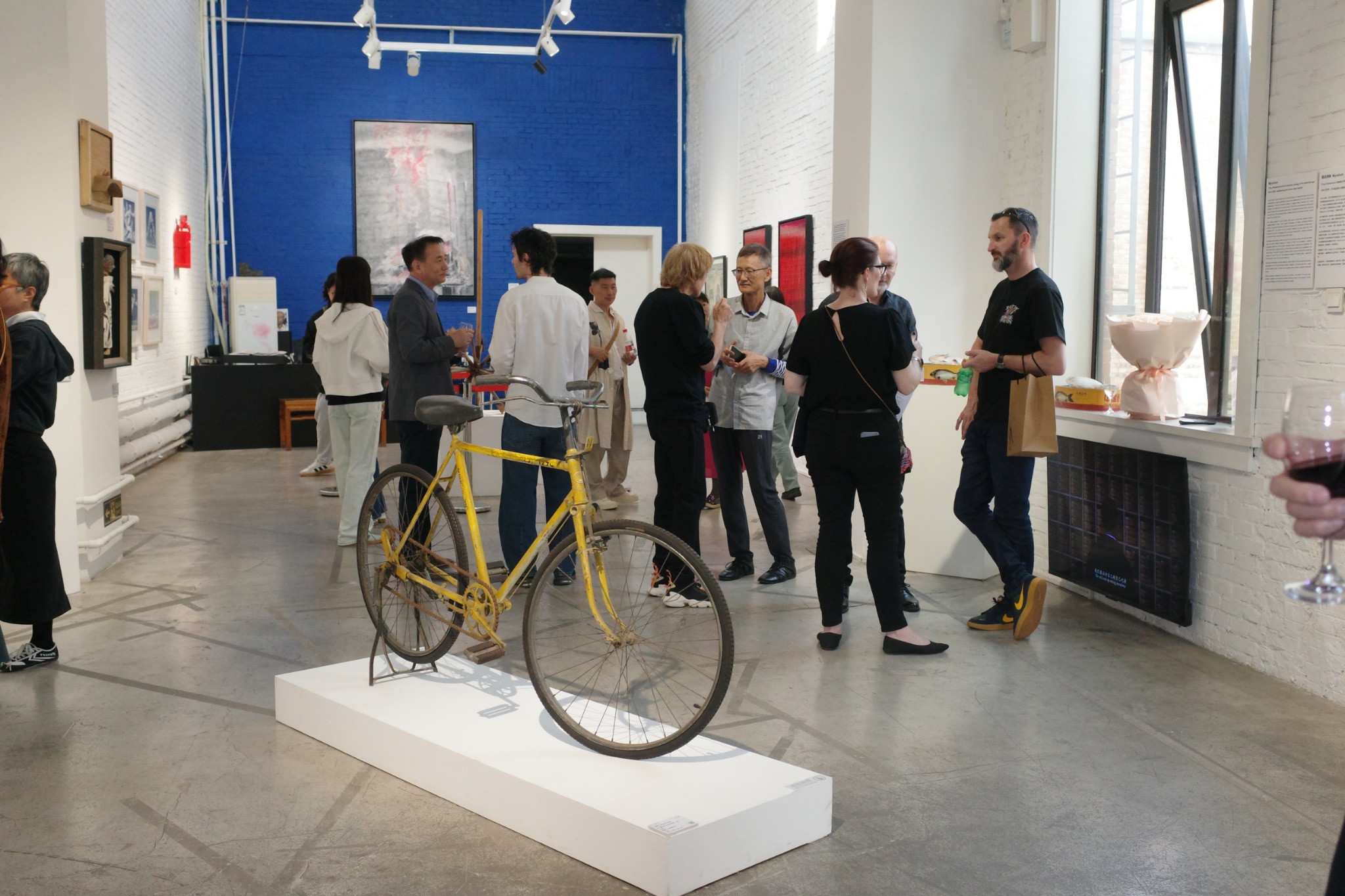
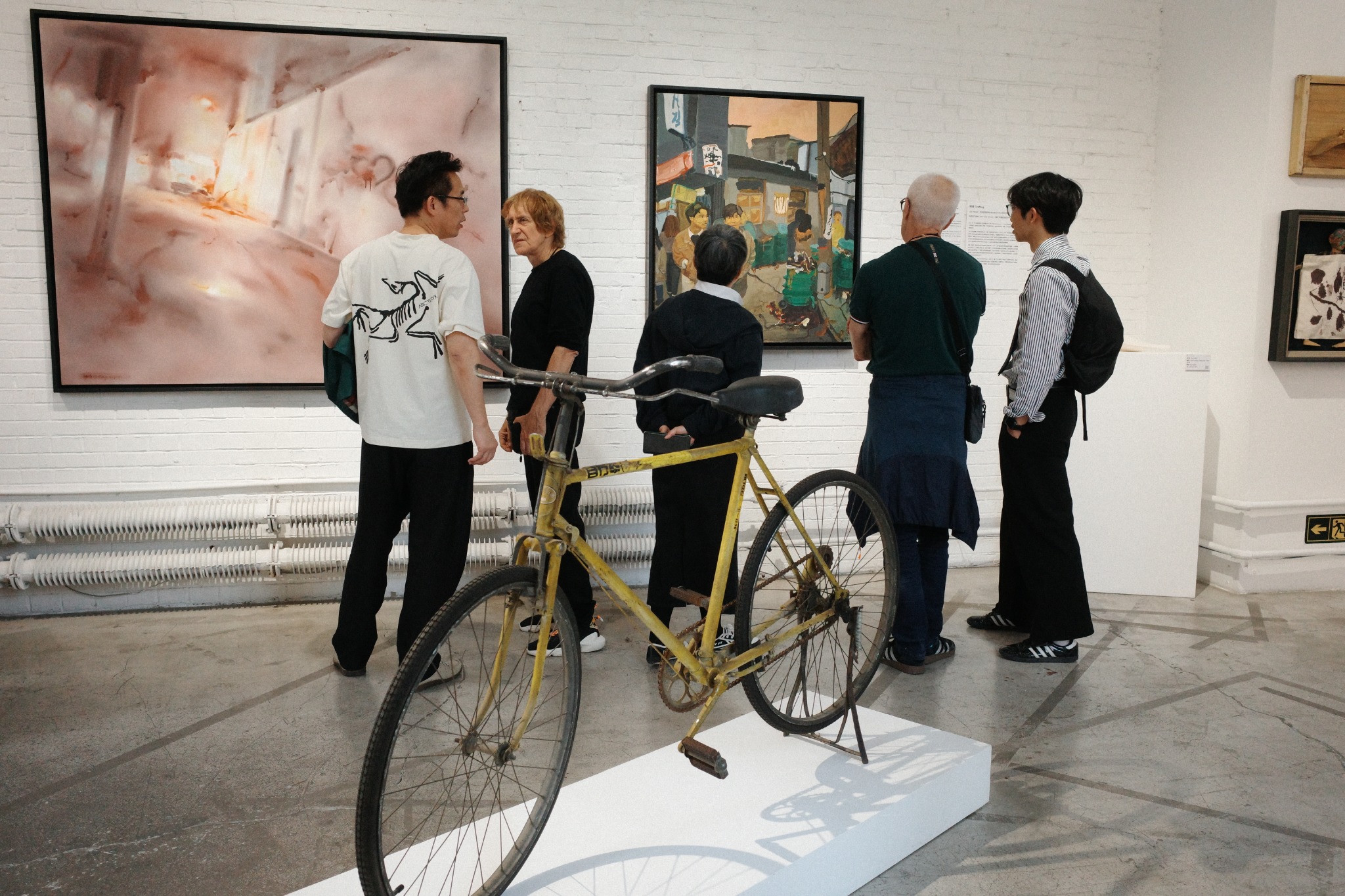
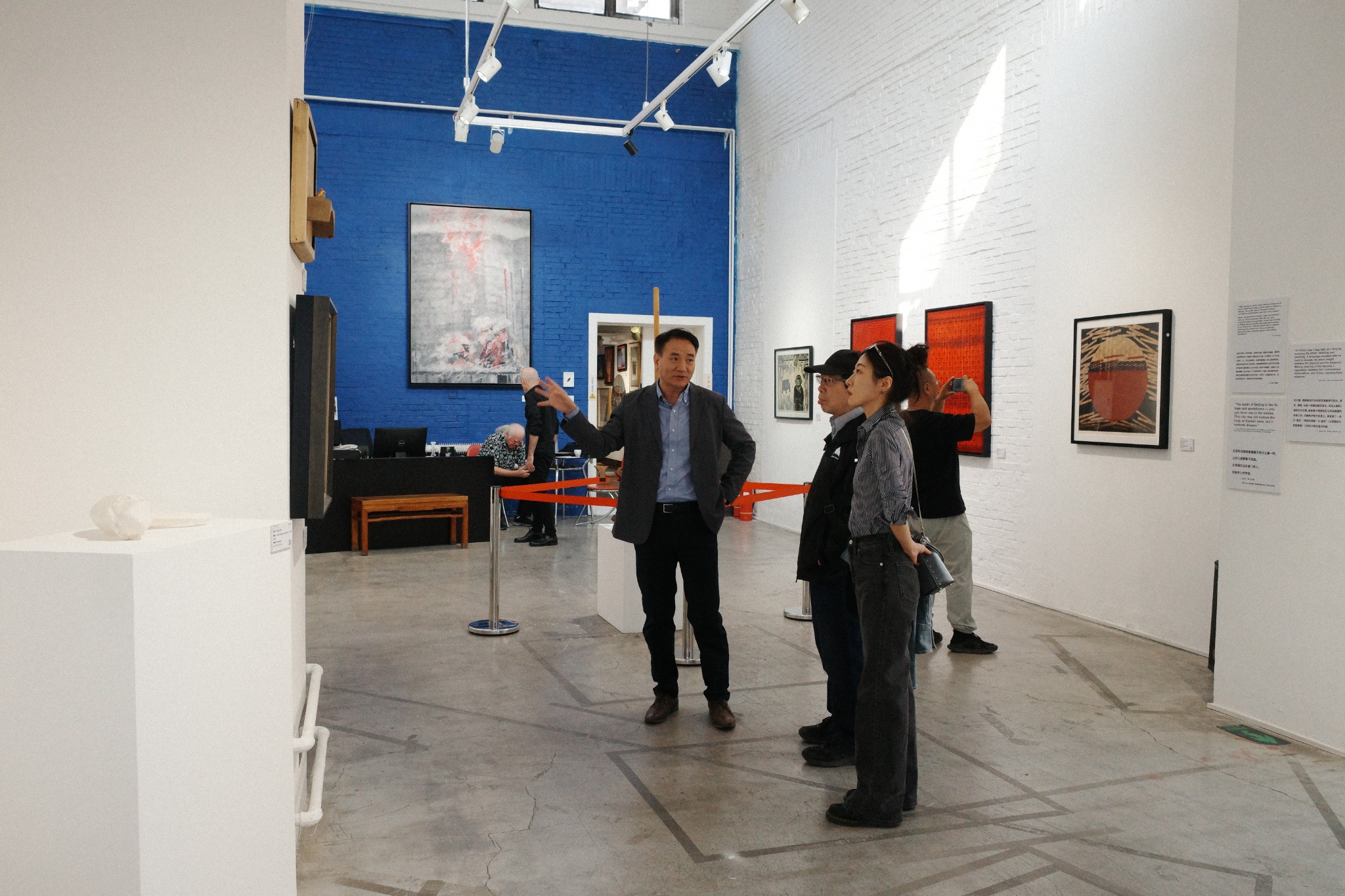
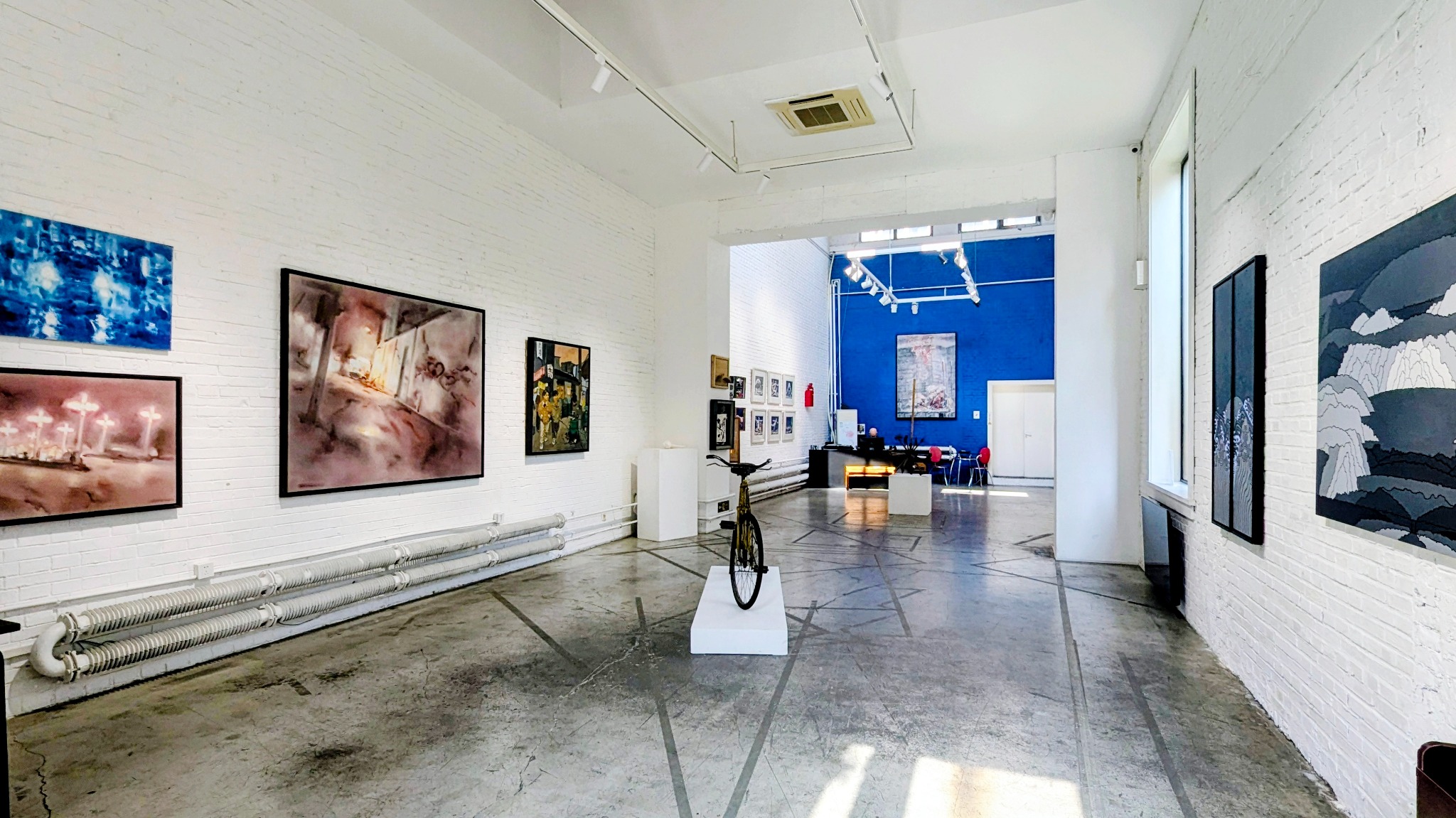
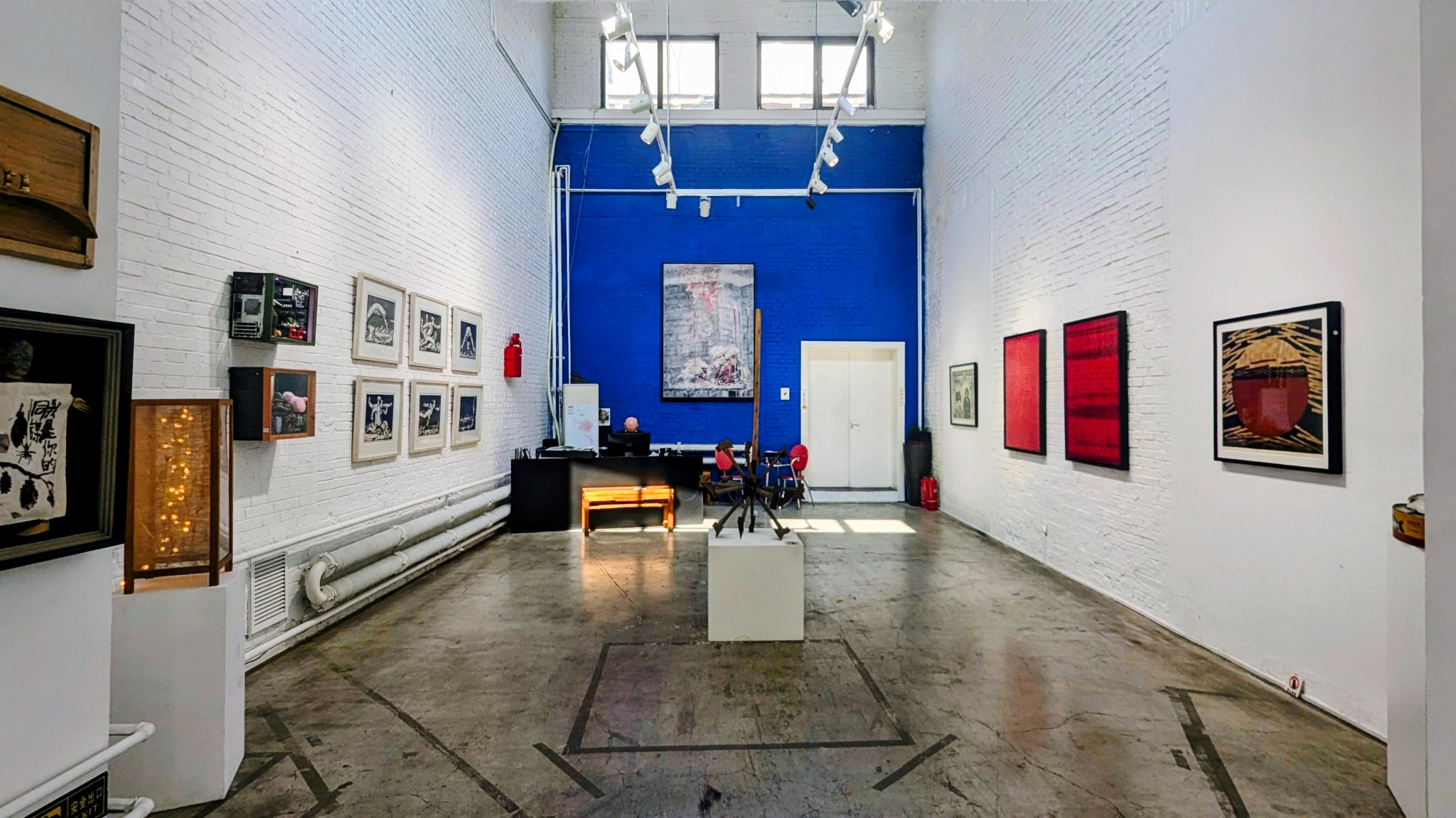
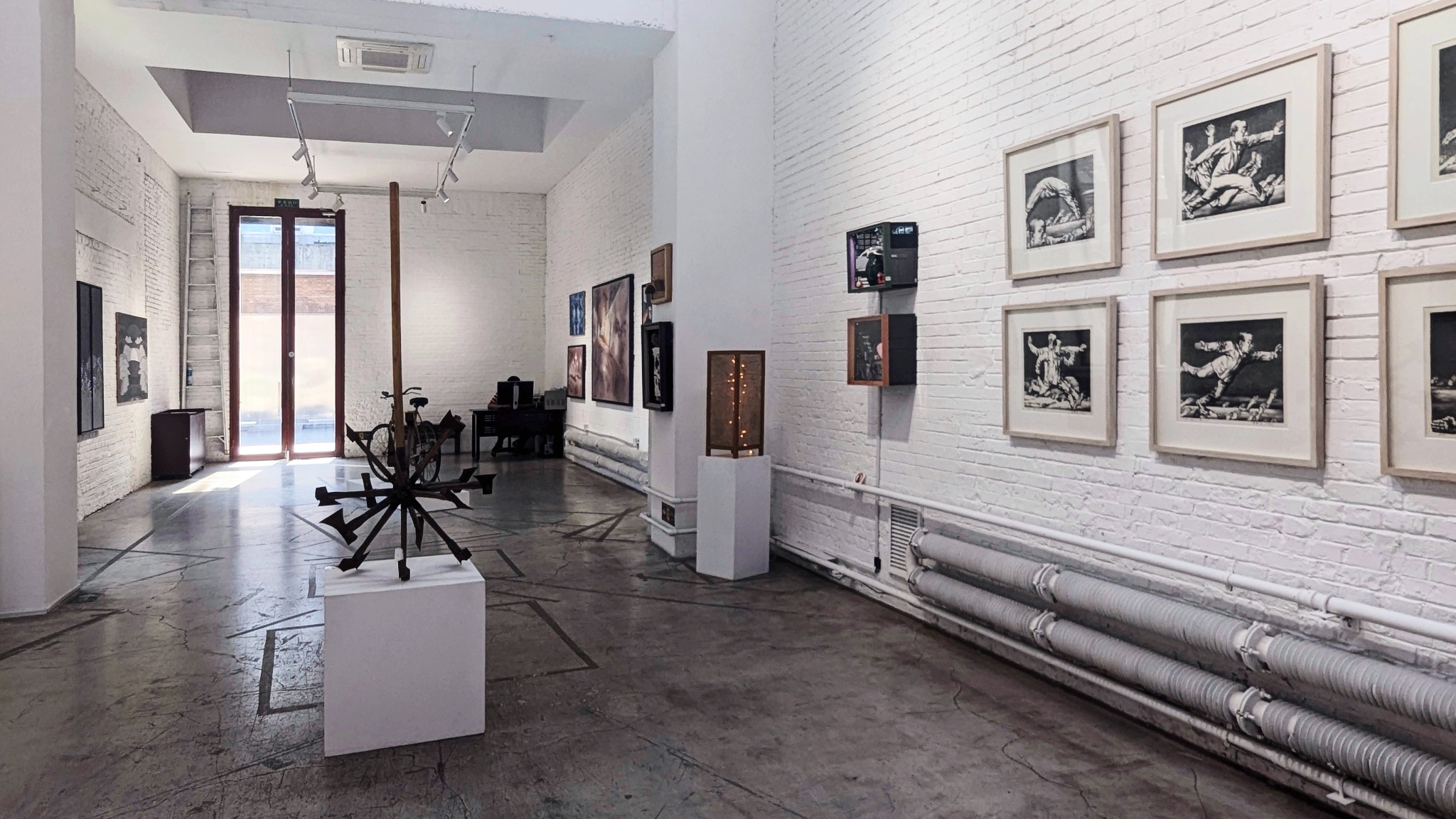
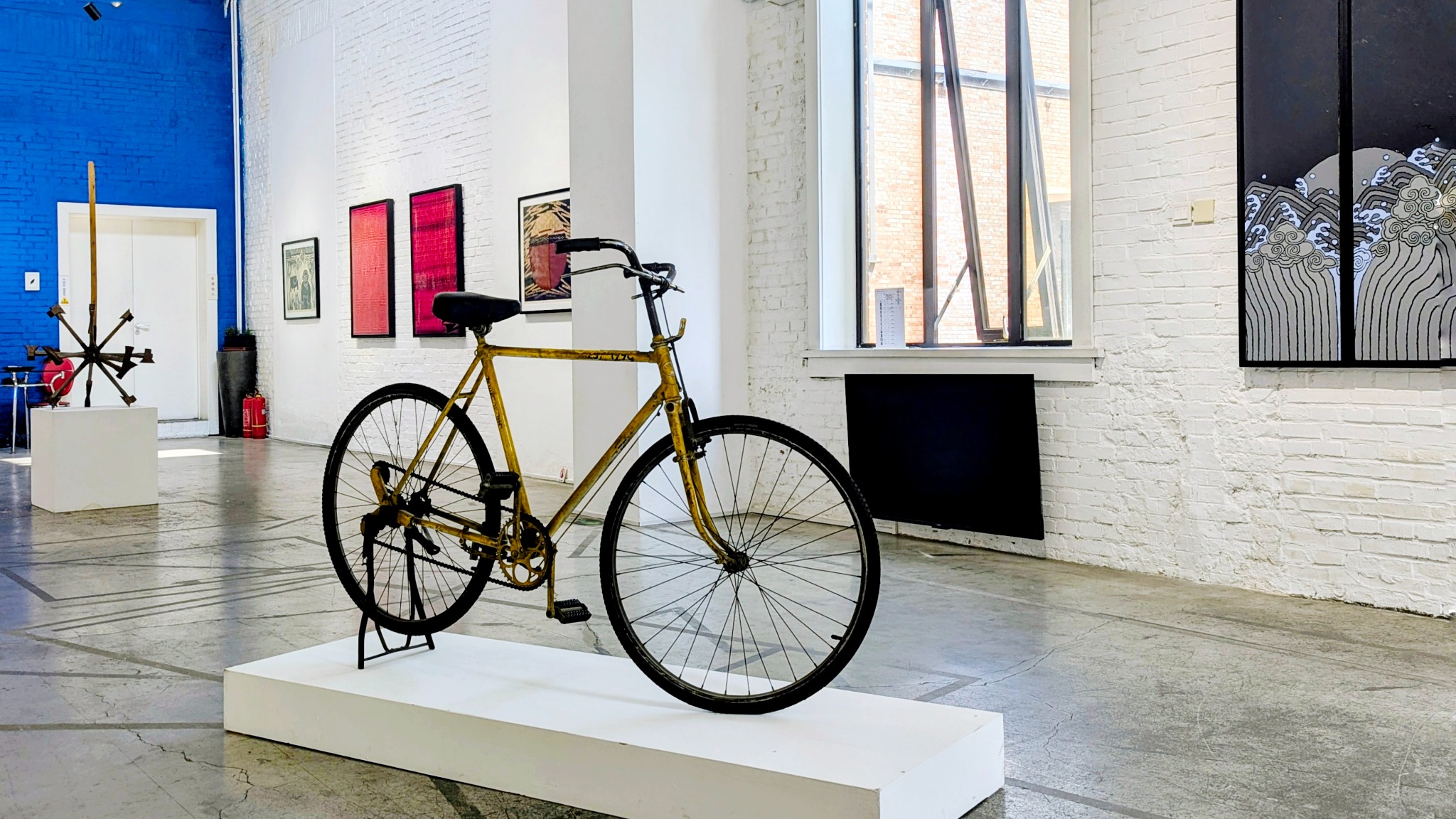
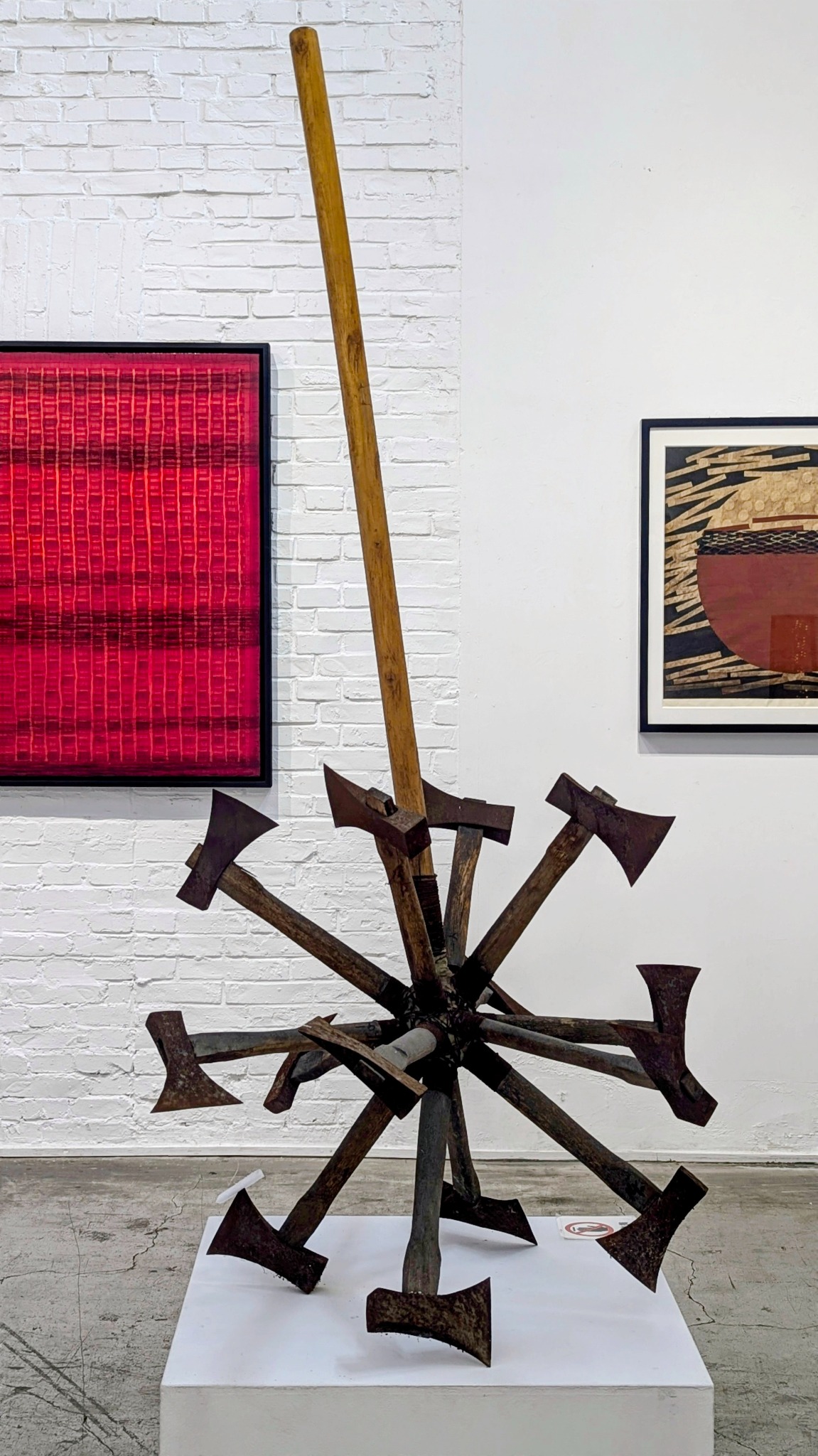
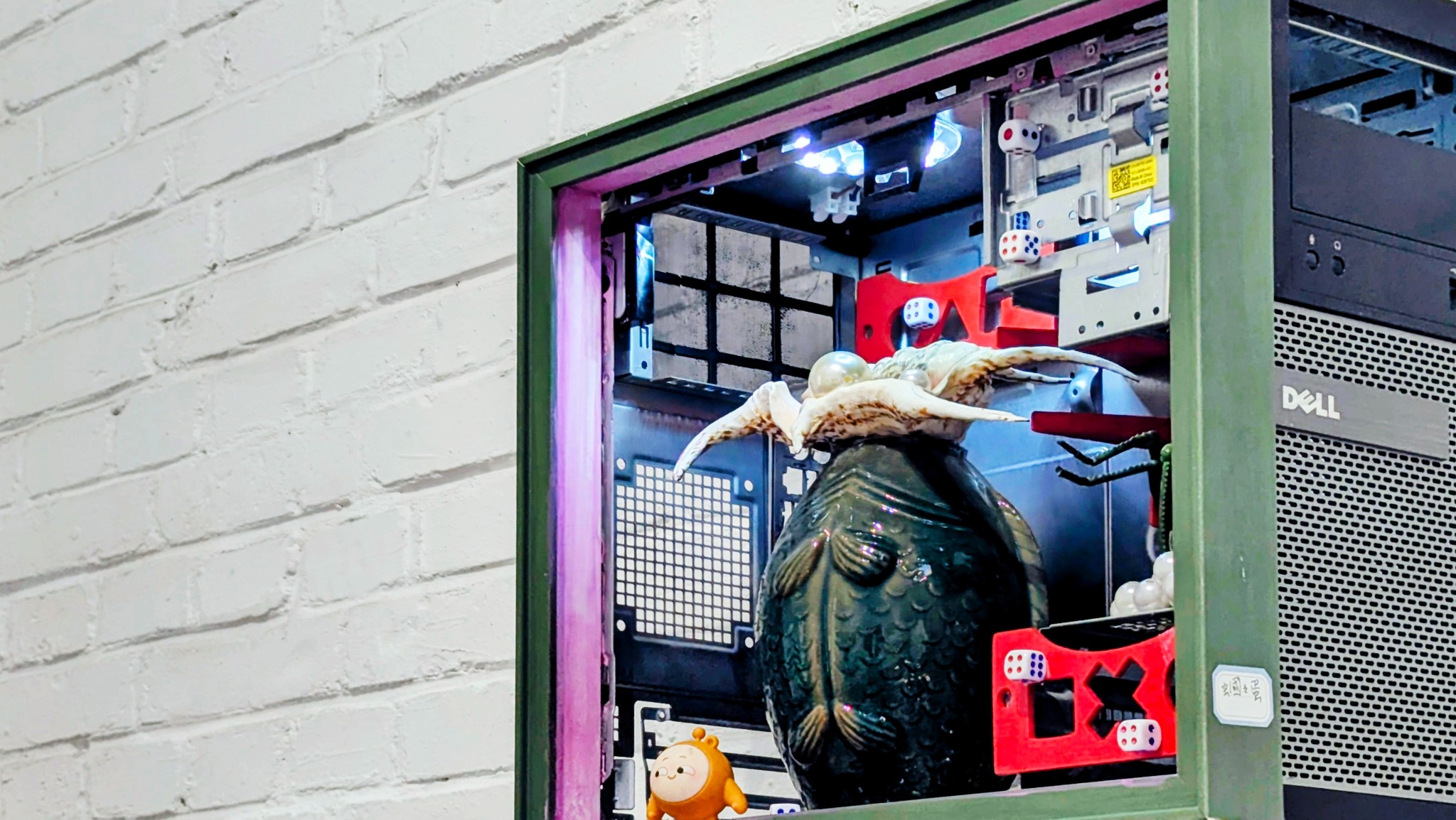
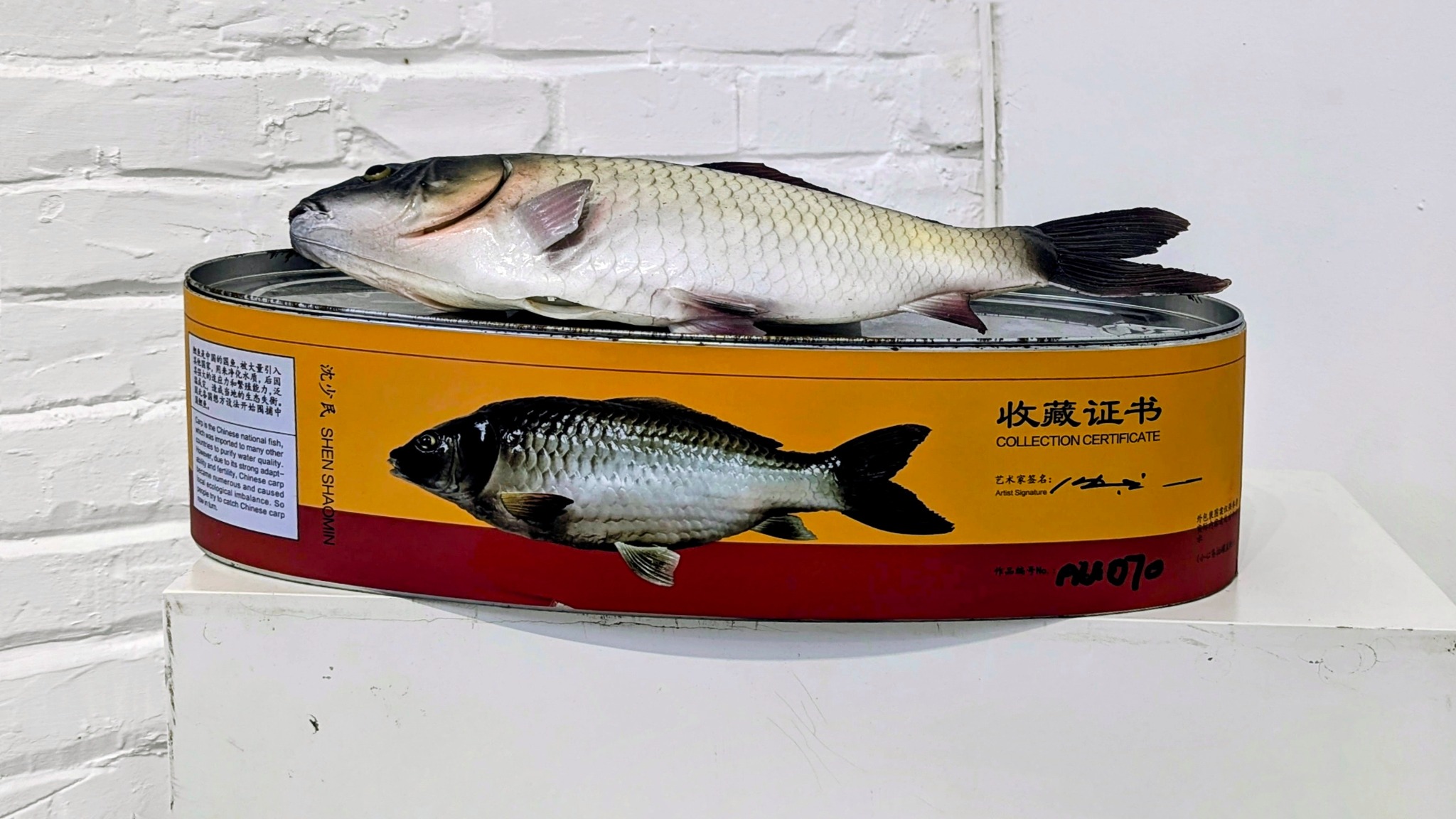
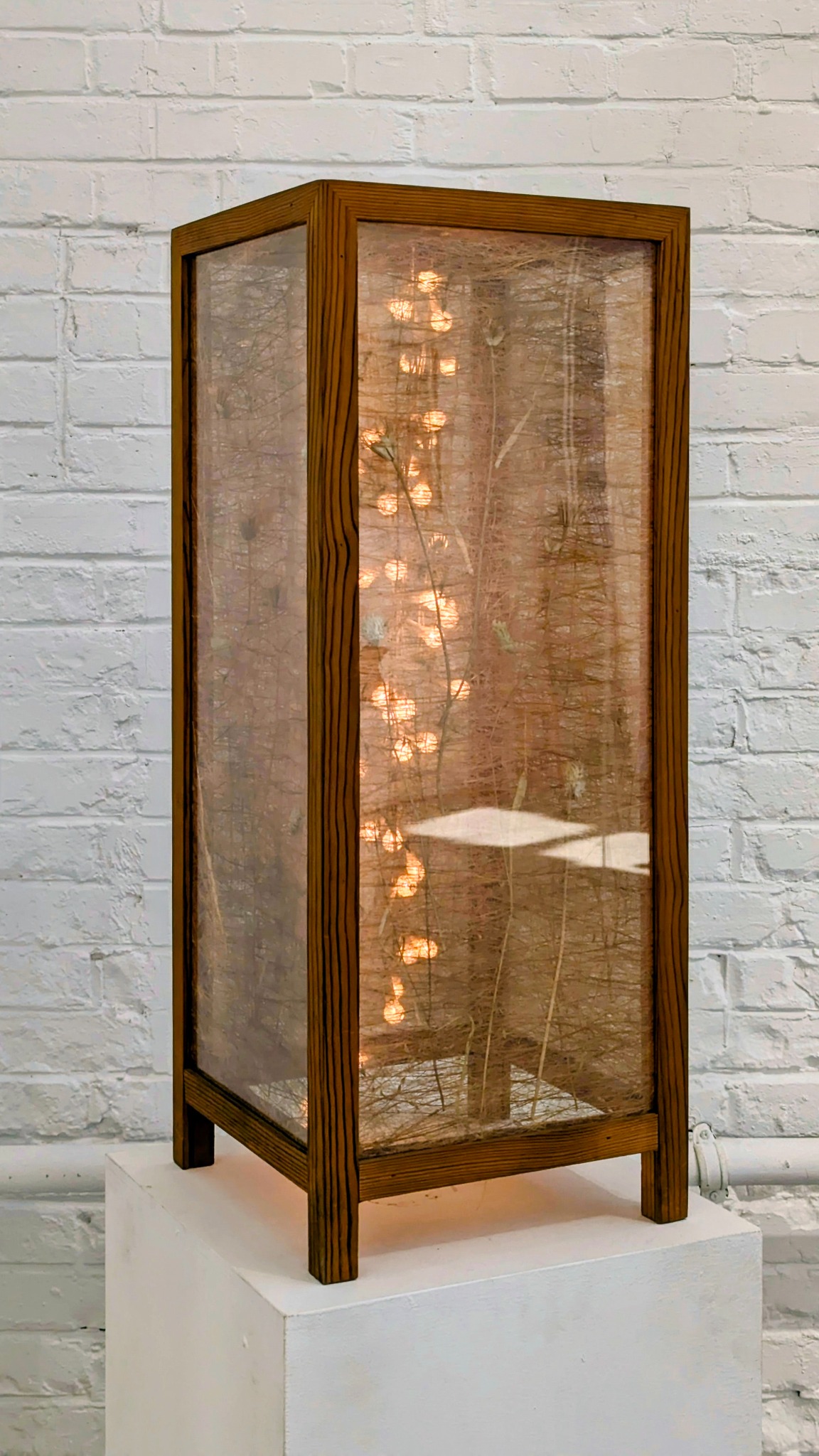
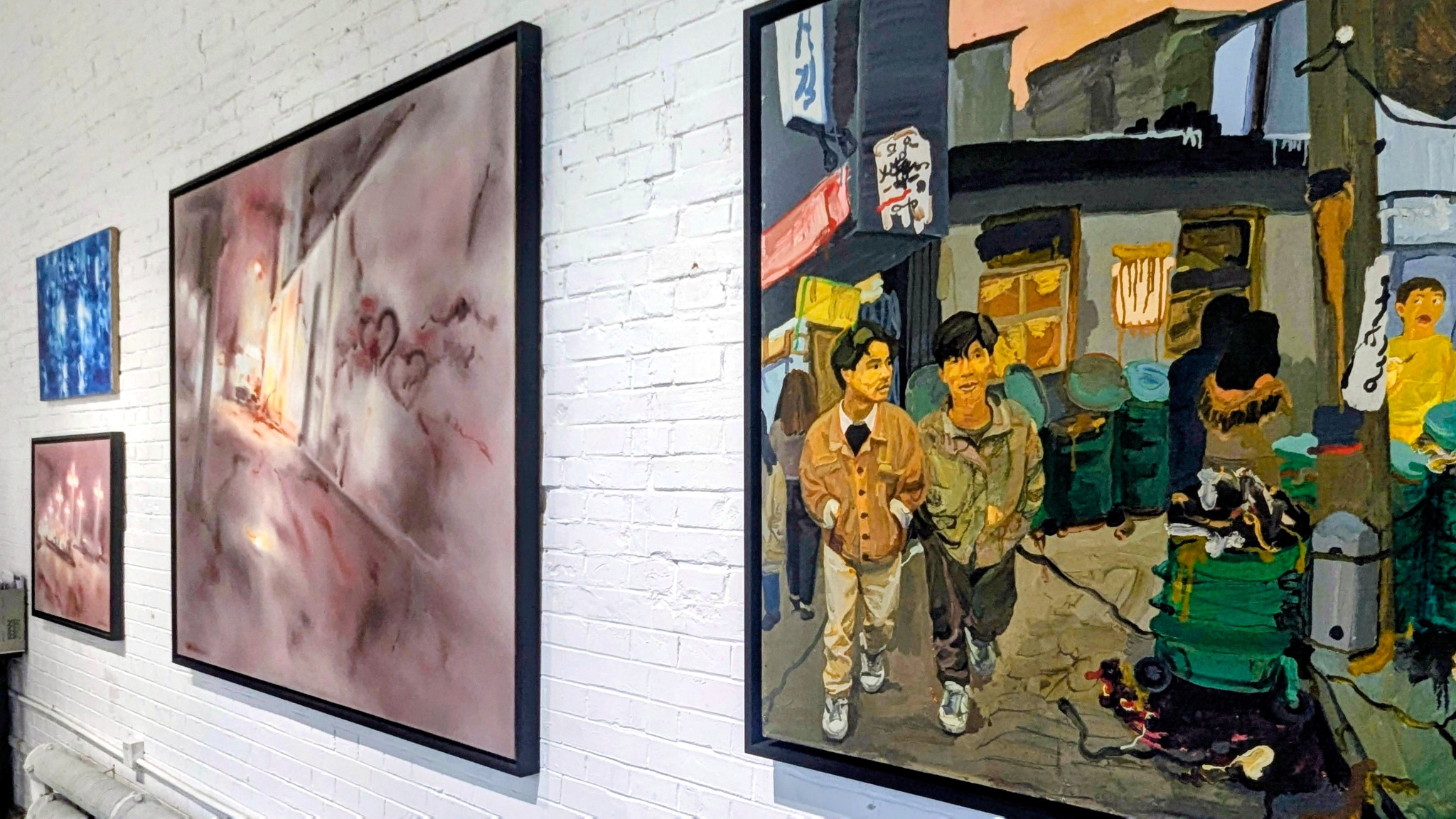
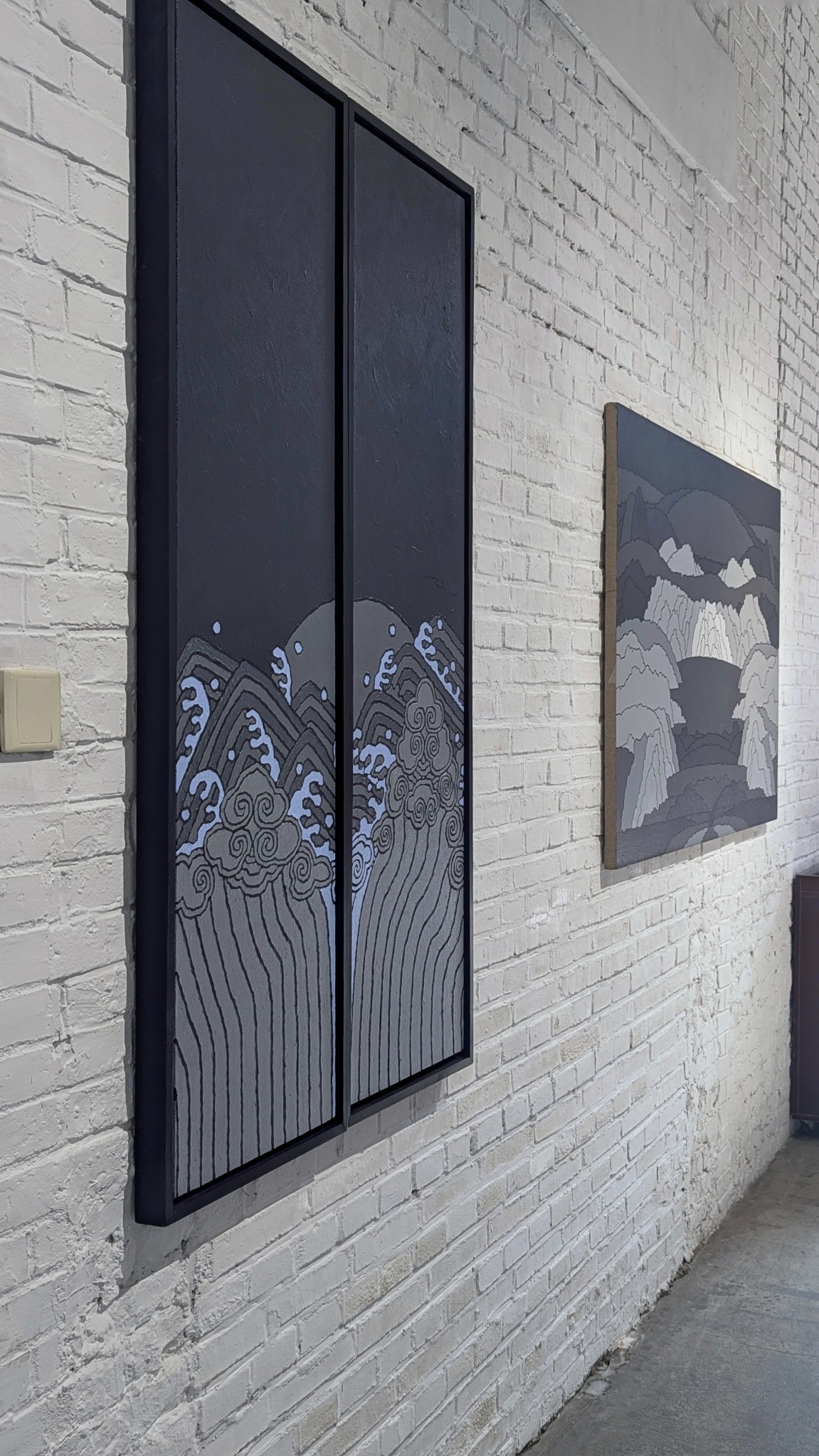
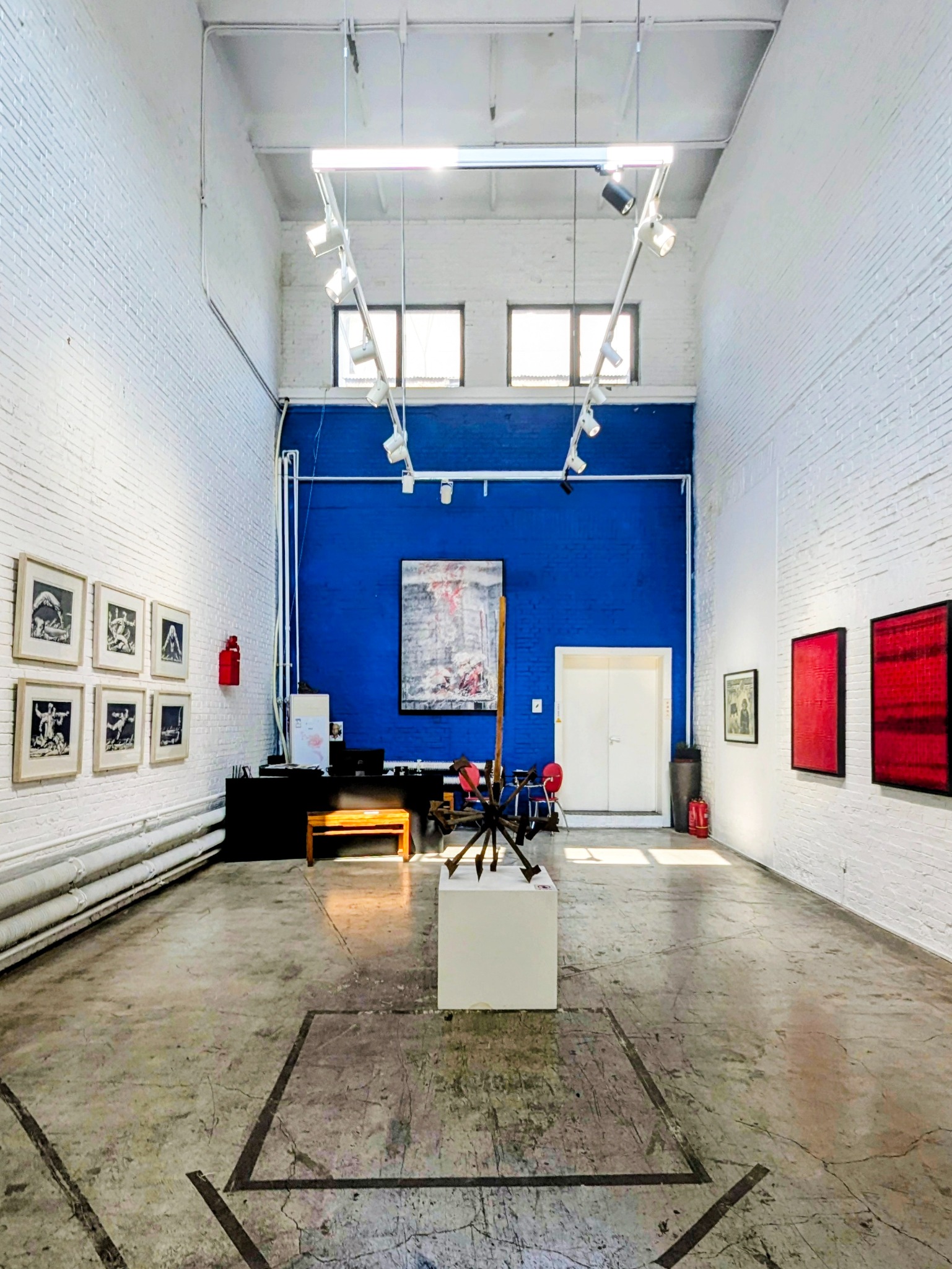
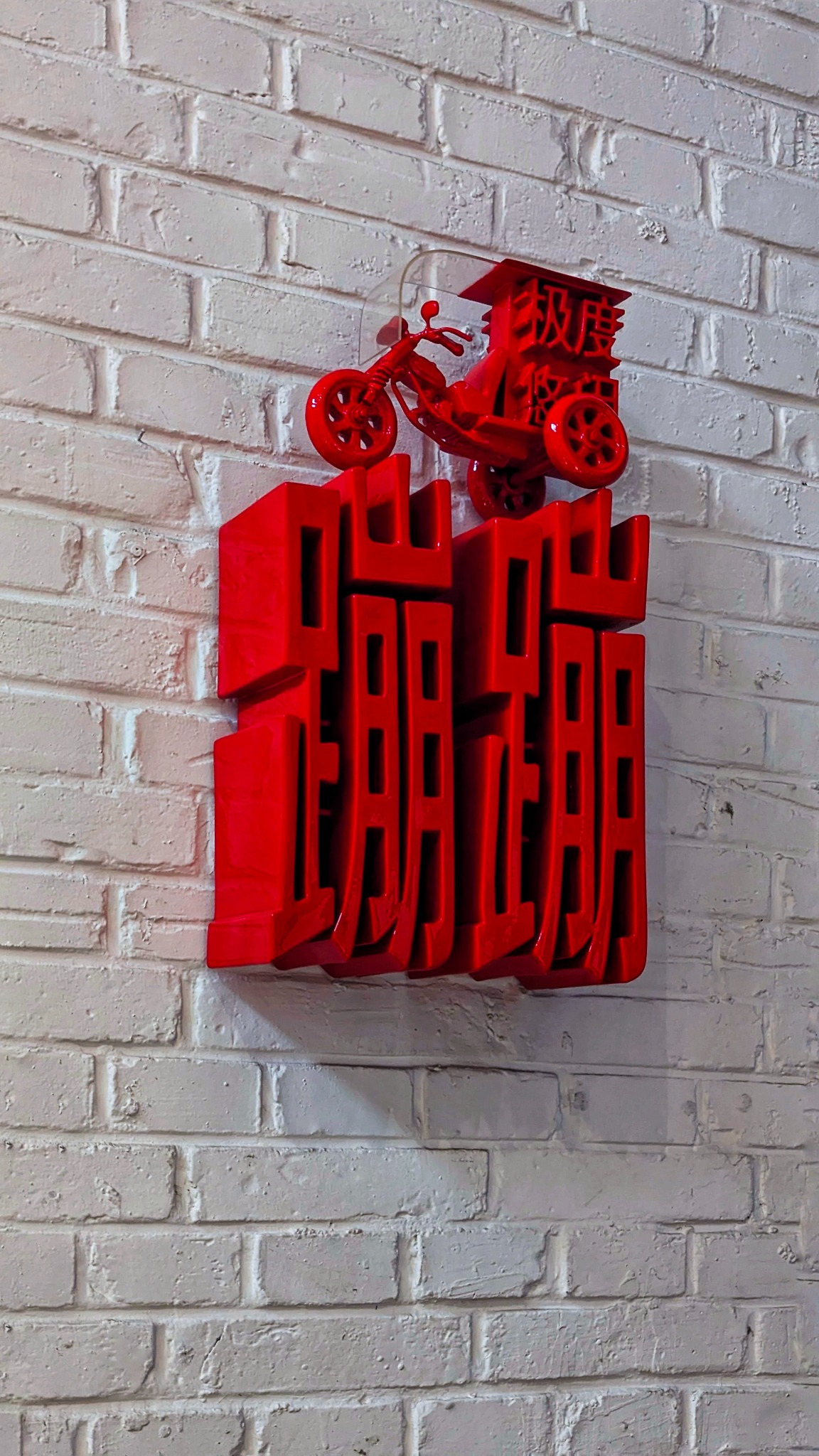
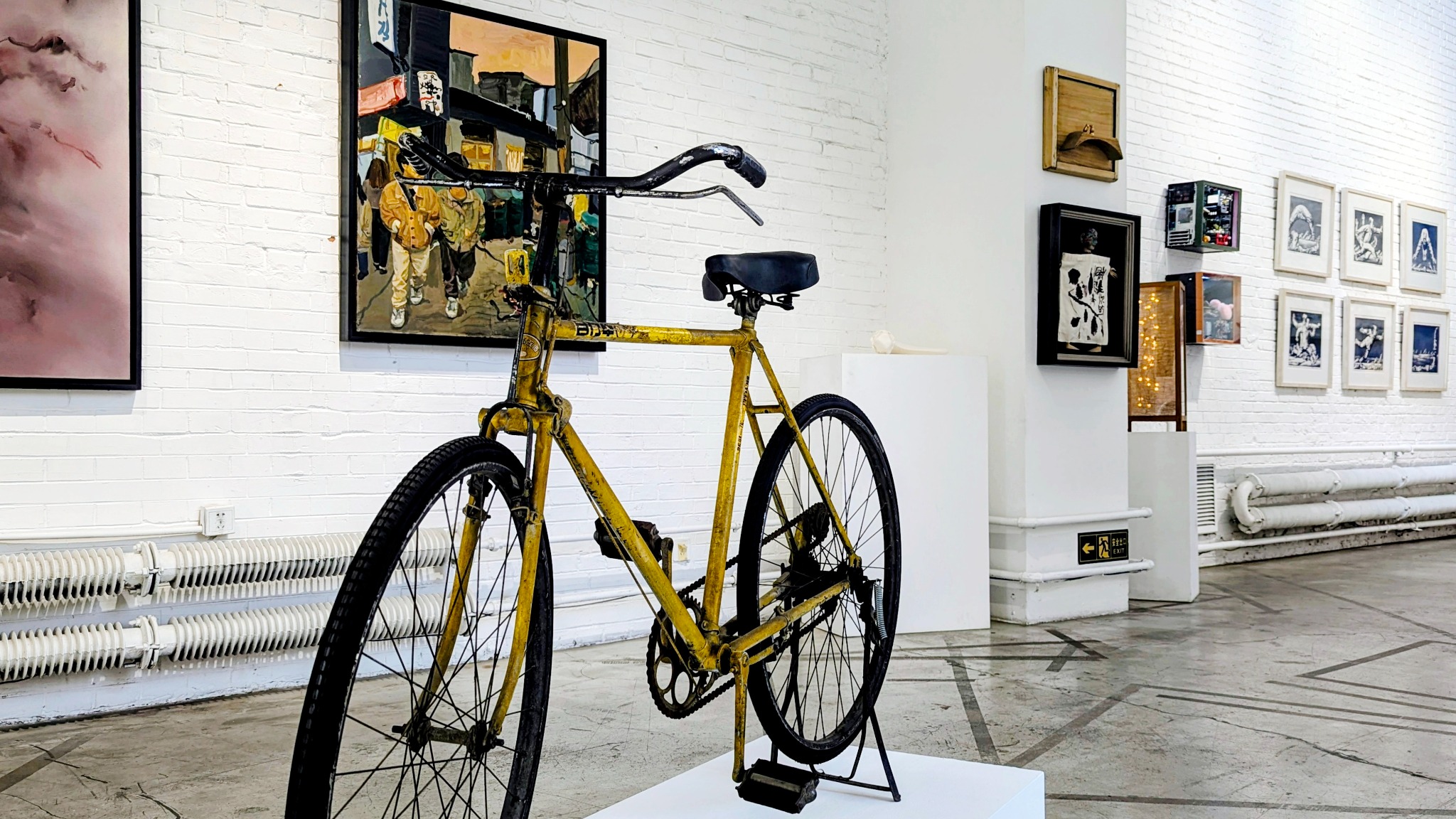
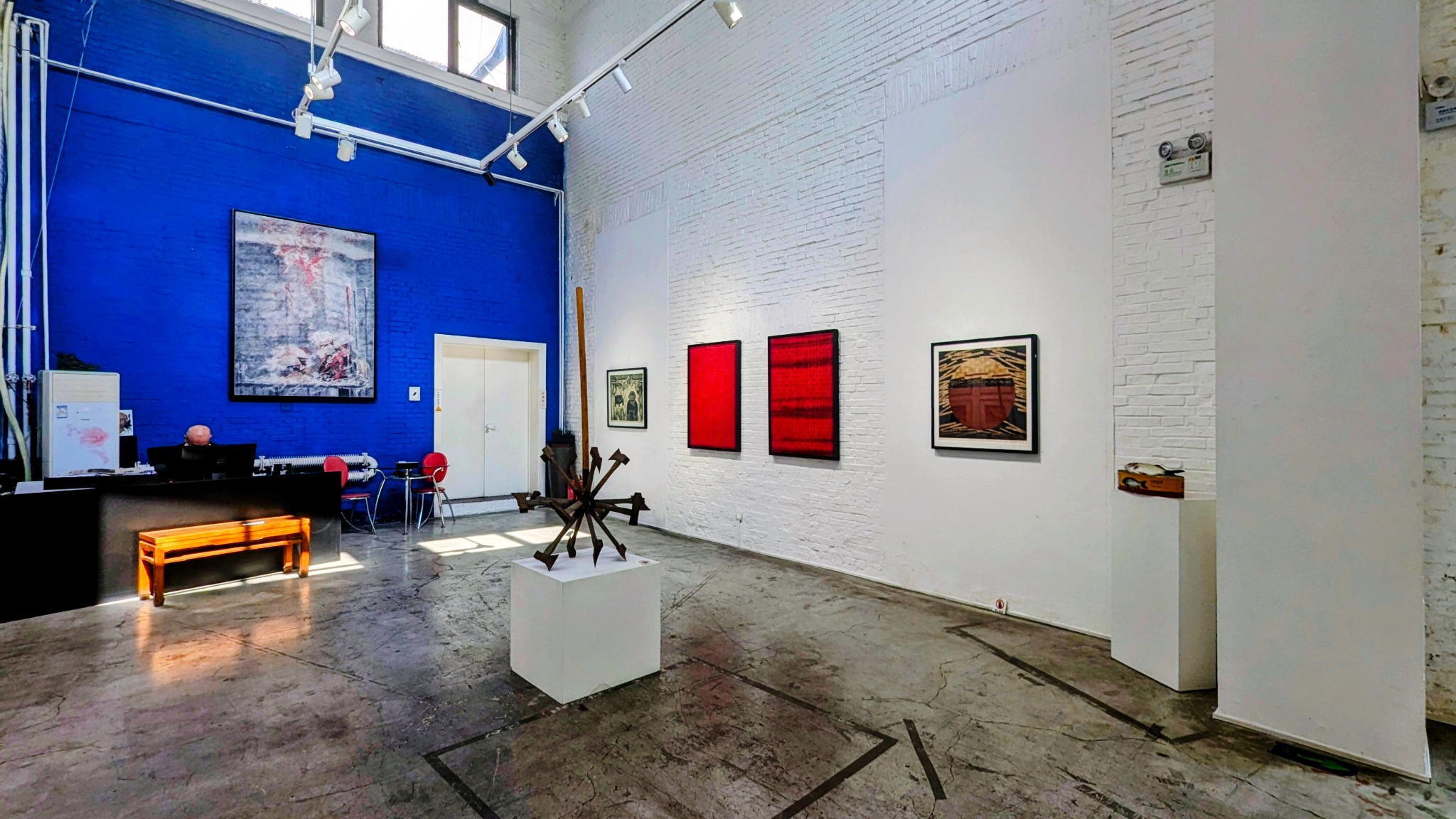
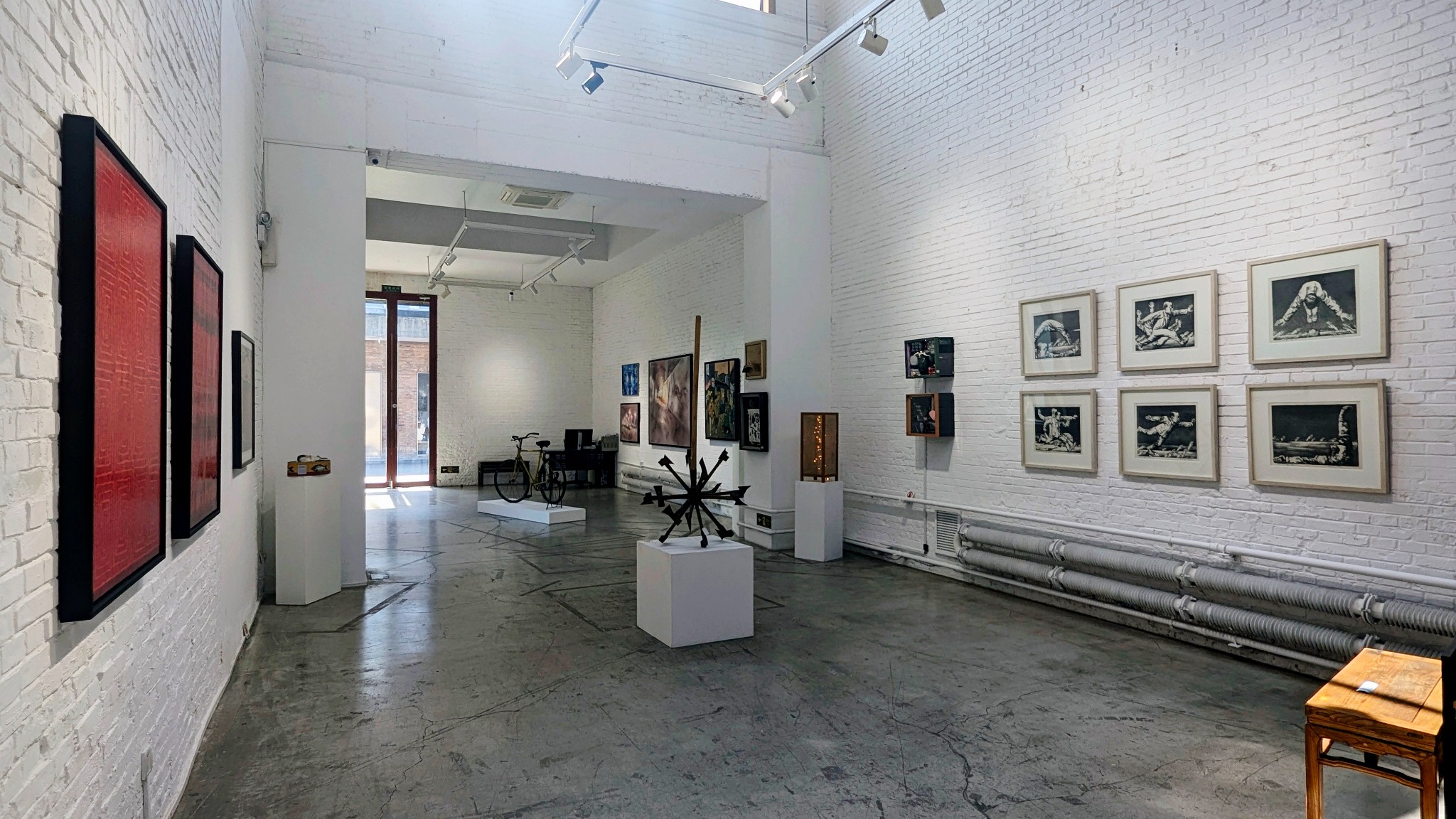
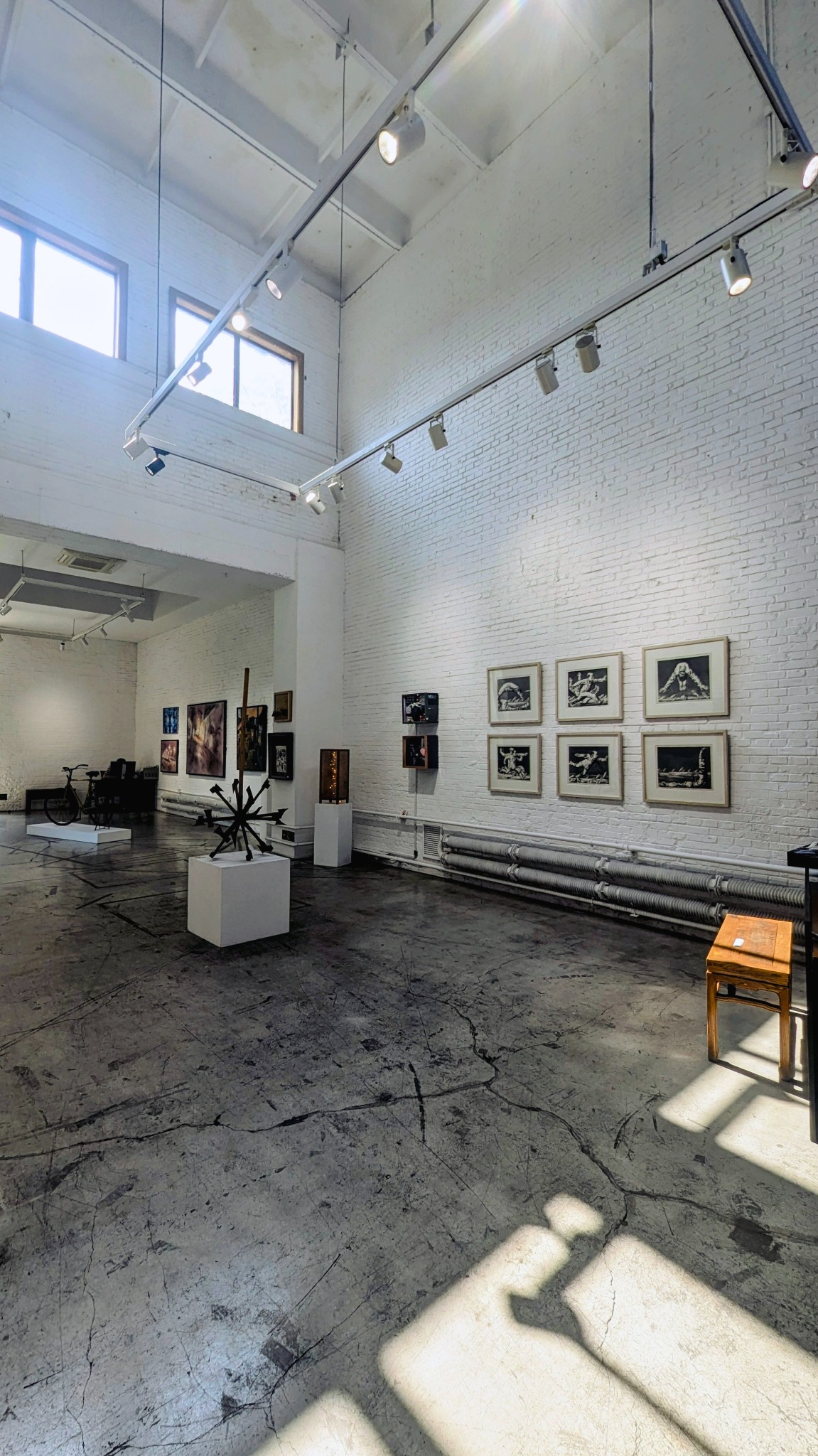
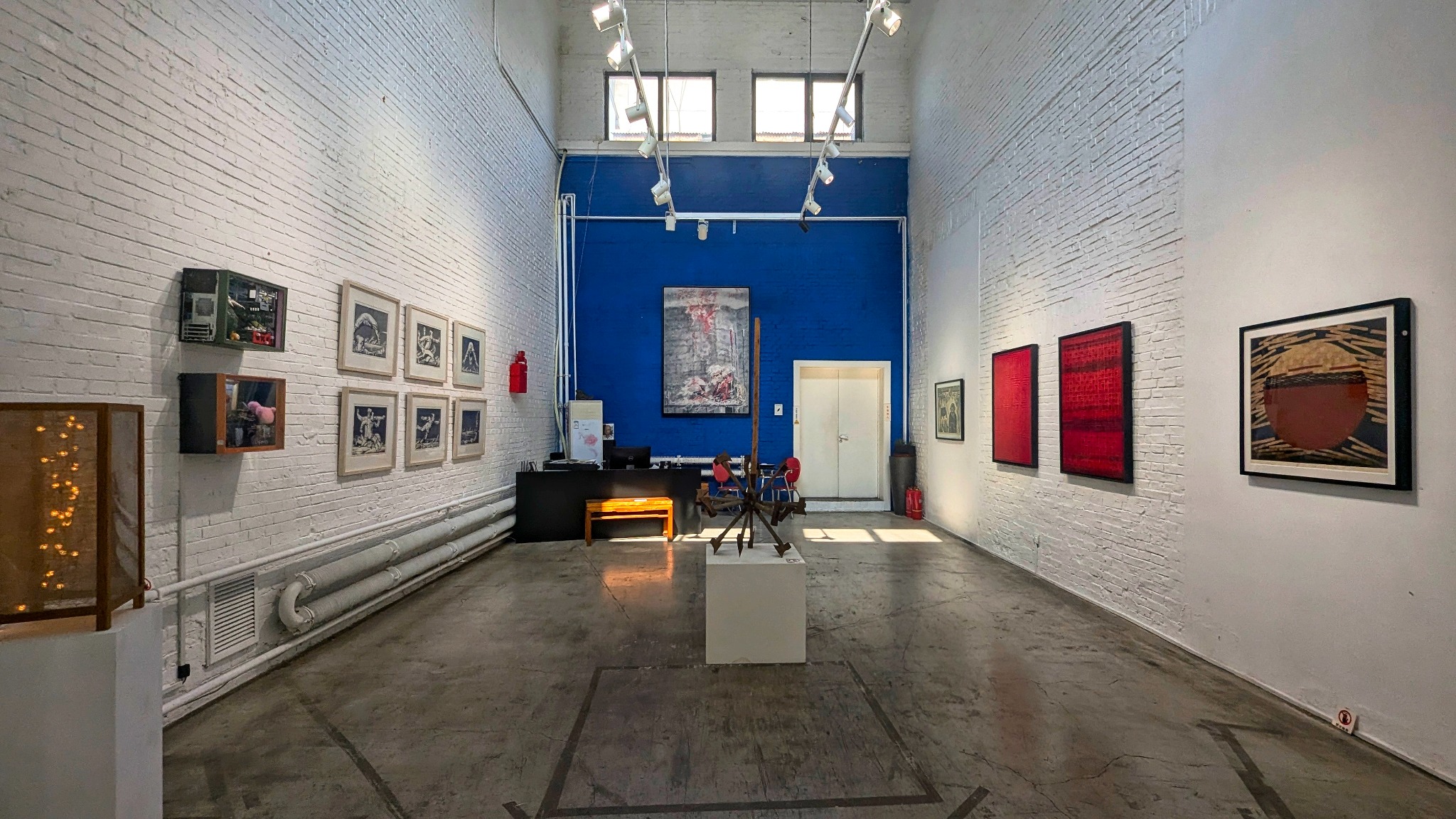
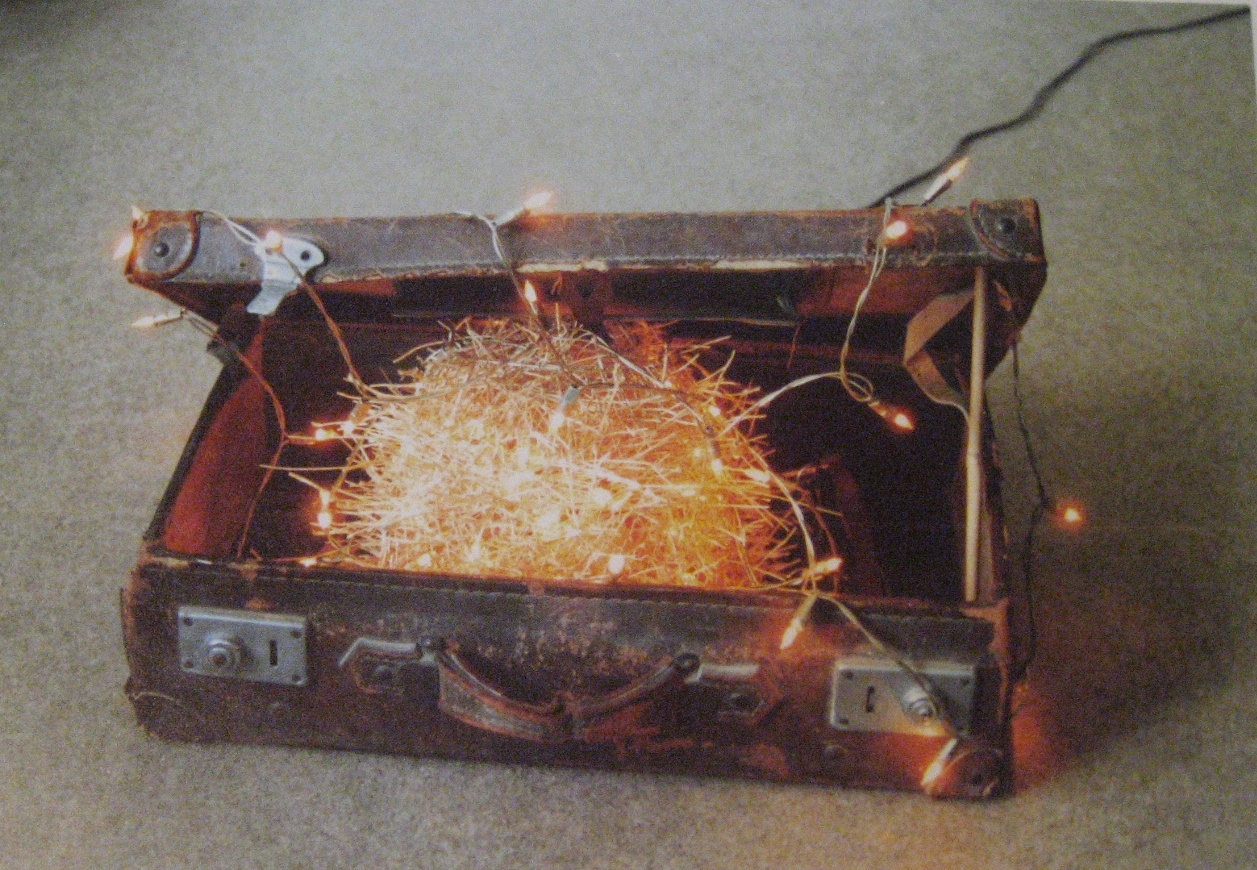
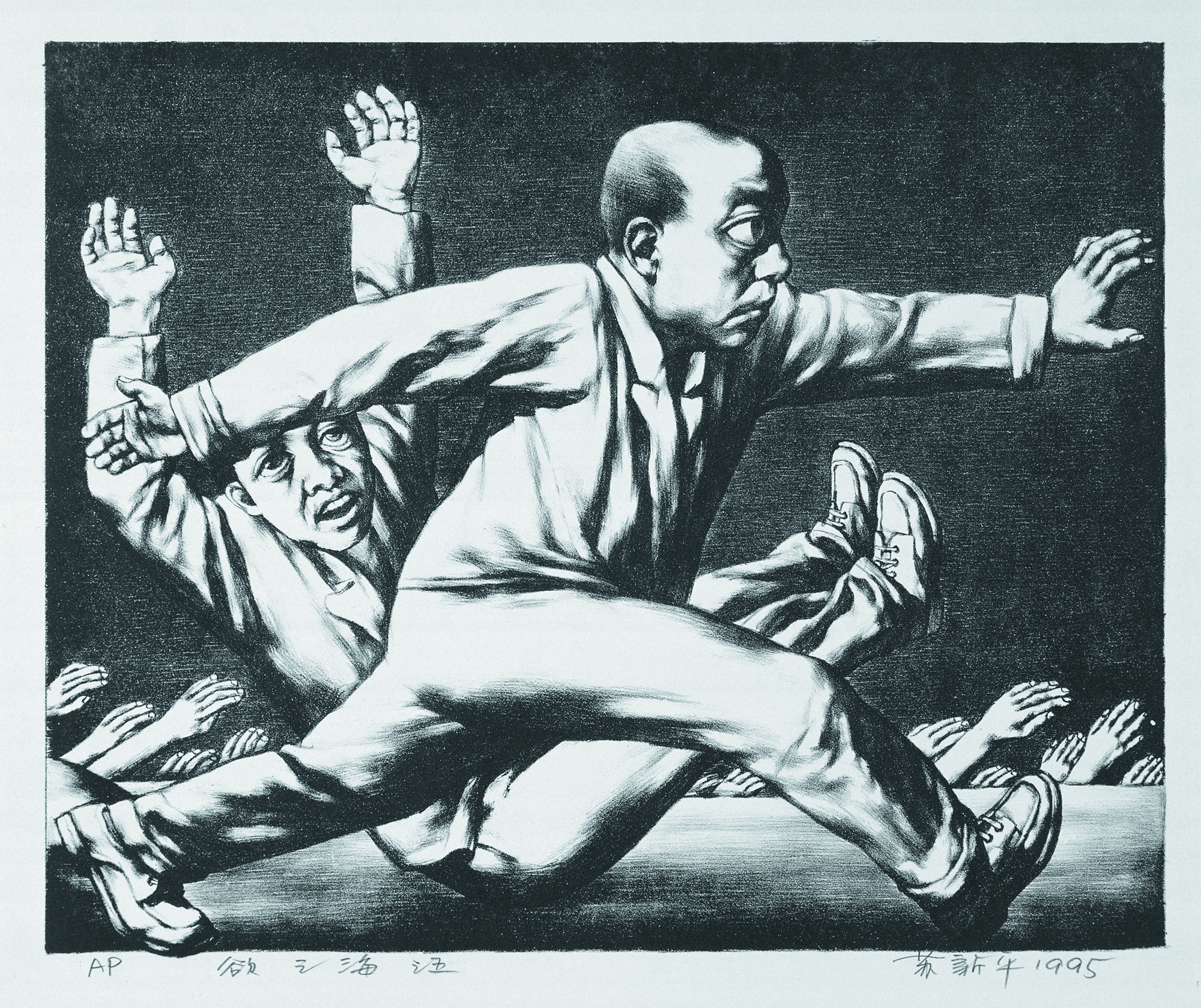
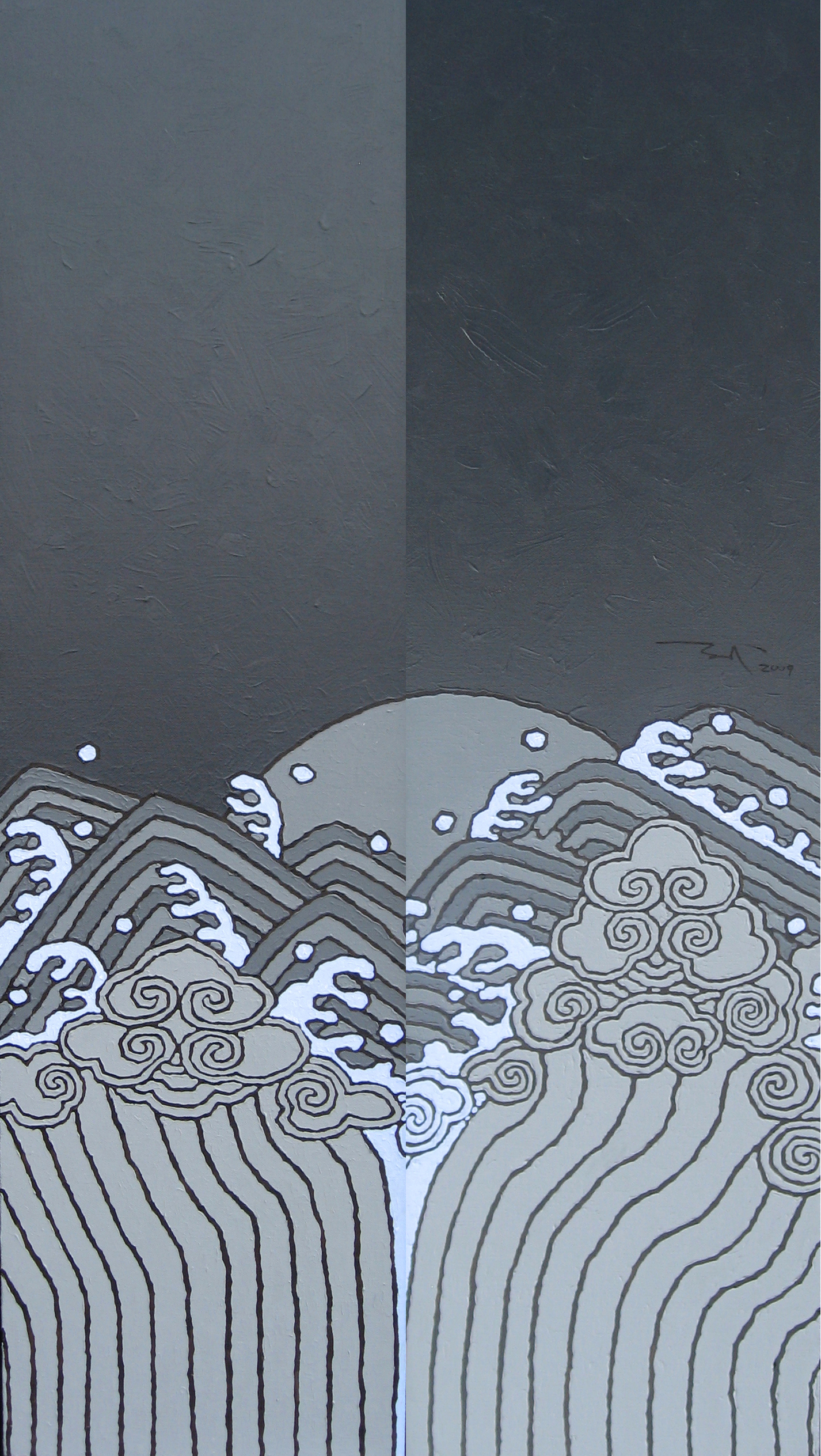
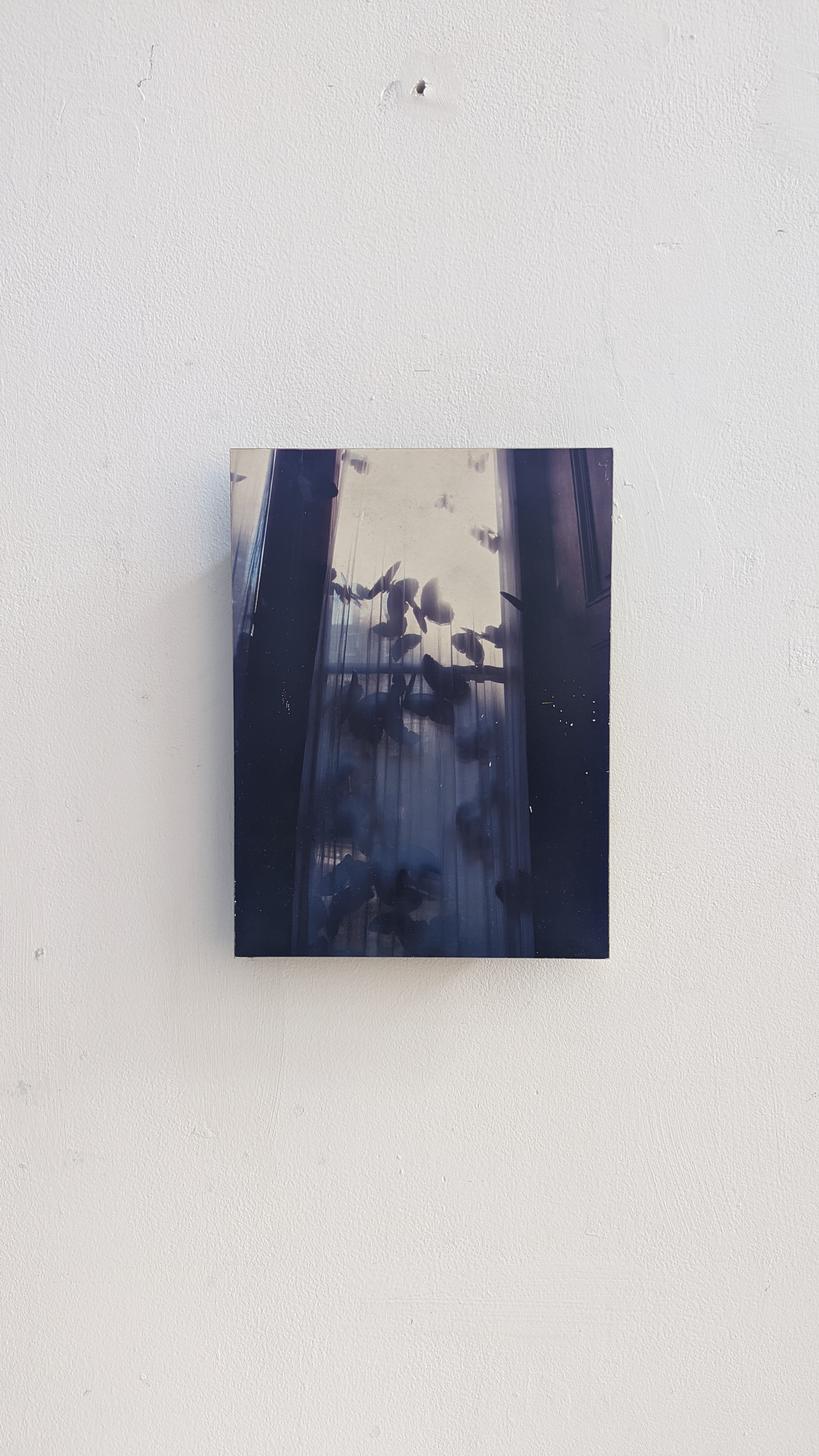
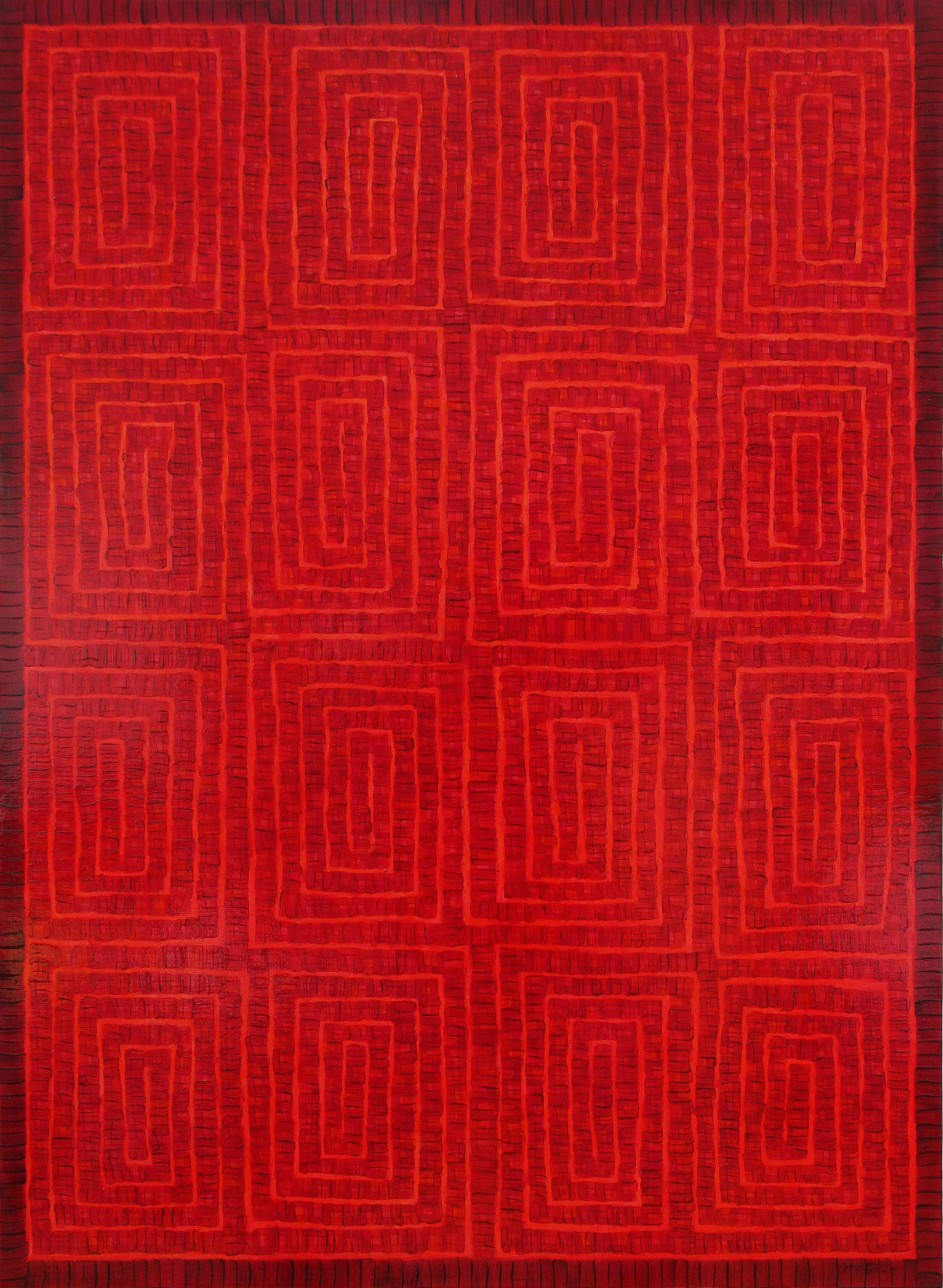
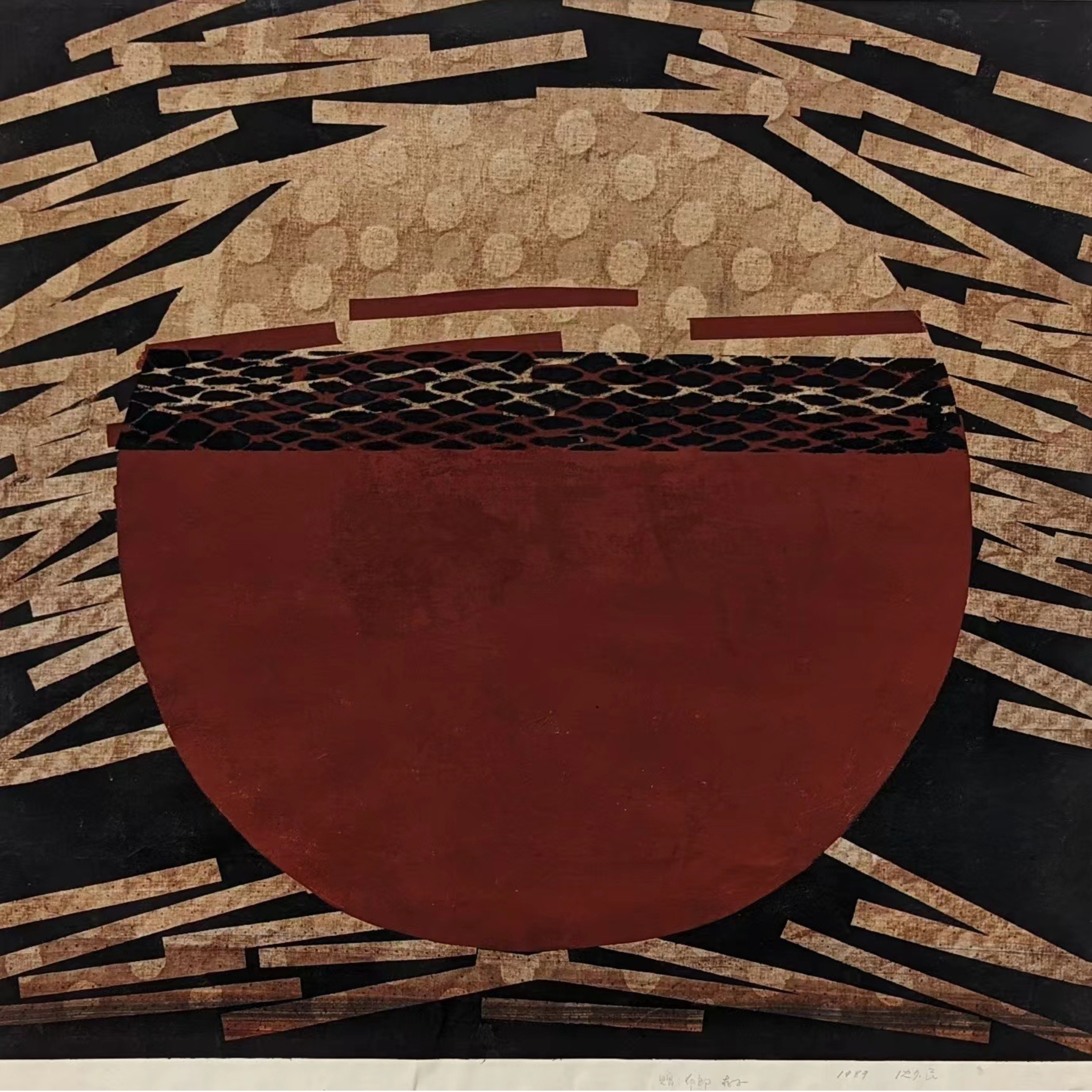
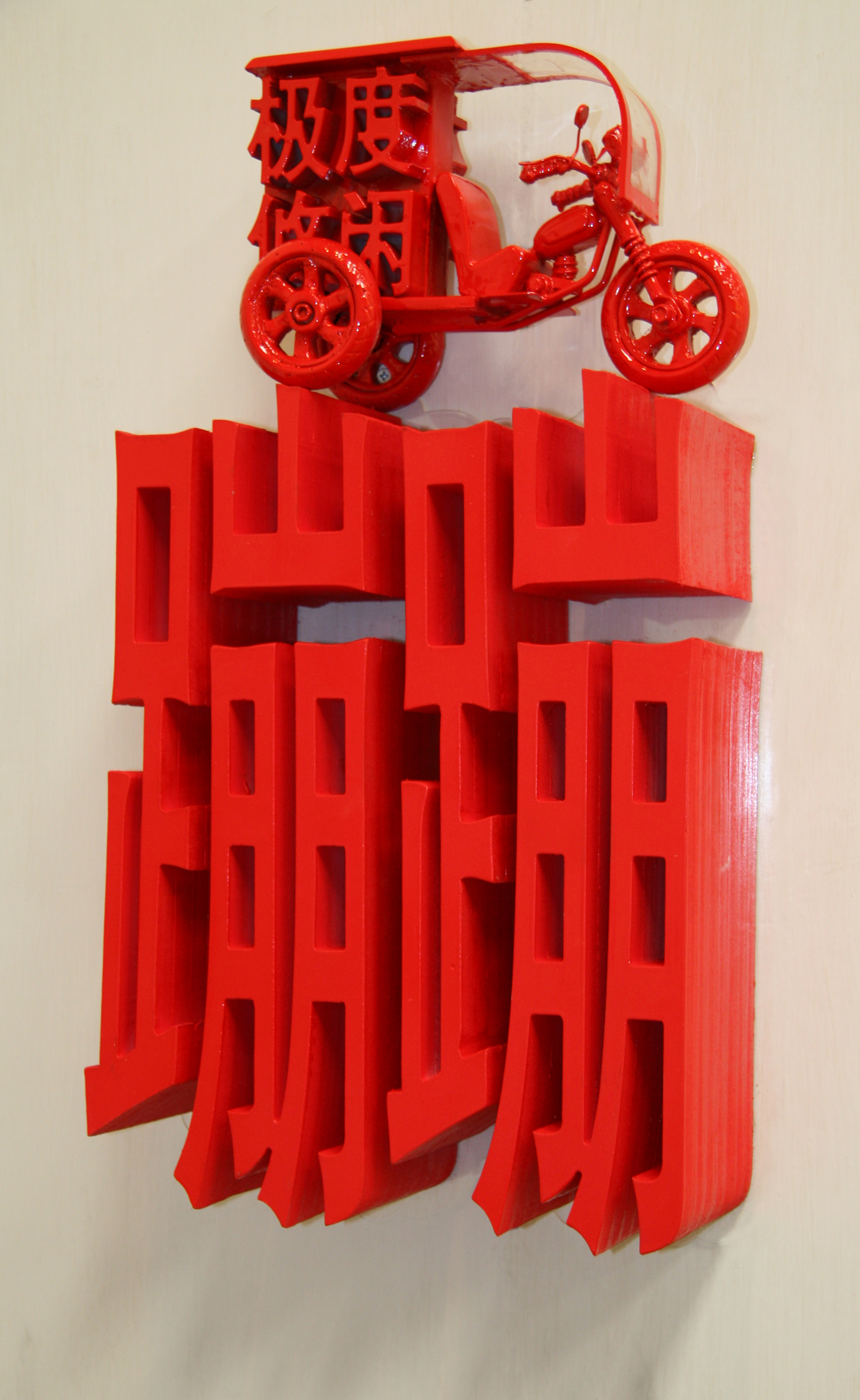
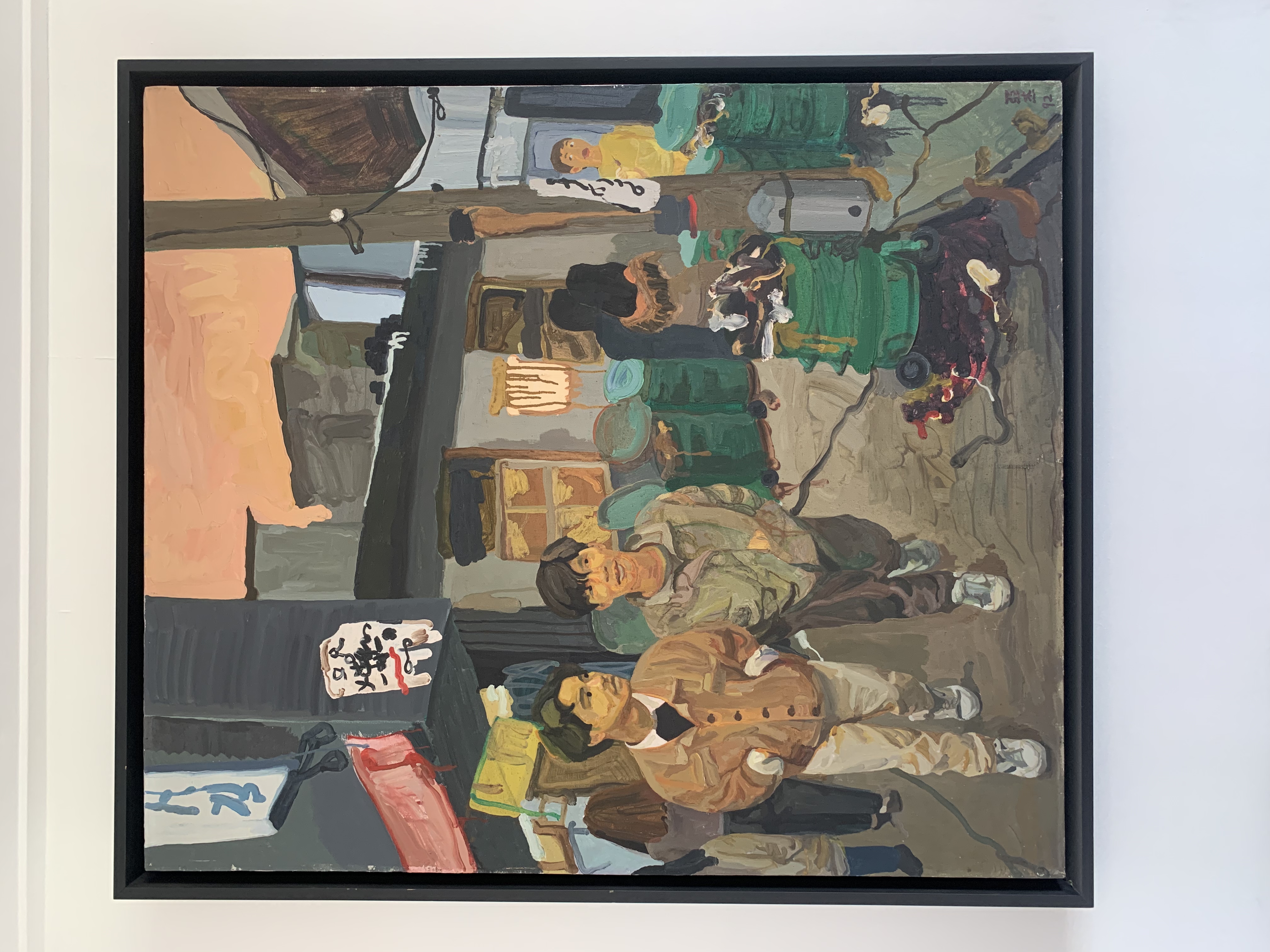
Origins of Artist Residencies in China: Another Pathway to Contemporary Chinese Art examines artist residency as one of the practices through which contemporary Chinese art took shape. Curated by art historian and curator Hu Chao and Red Gate Gallery founder Brian Wallace, the exhibition runs at Red Gate Gallery, Beijing, from 11 October to 1 November 2026.
The Chinese title, “Borrowing the Shell,” connects two meanings: entering an existing structure and drawing on its resources, and the biological processes of inhabitation, adaptation and growth. A residency gives artists time to stay and make work in an unfamiliar environment. Through everyday life and cross-cultural encounters, they acquire embodied knowledge that changes their understanding of their position, their methods and their relationship to the world. Such experience also travels through conversations, exhibitions, discussions and teaching.
The exhibition follows three stages. Transplantation traces organised exchanges from the early 1990s, when Australia’s Asialink began sending artists to China and Red Gate Gallery helped them find accommodation, studios and connections within Beijing’s art community. These exchanges opened channels through which Chinese and international artists could encounter one another’s working environments.
Grafting focuses on the development of locally rooted programmes from 2001. Red Gate launched its own residency in Beijing, while the Chinese European Art Center began its programme in Xiamen. Their international connections took new forms through local cultures, workshops, social resources and artistic communities.
Mycelium considers the growth of a wider network from 2009 onward. Founded in 2013, China Residencies connected programmes and institutions through a bilingual platform and annual reports. Artist-led initiatives, including Shangyuan Art Museum and Zheng Xuewu’s Hudson Art Center, also developed in response to artists’ needs.
Bringing artworks together with artists’ recollections and institutional histories, the exhibition asks why these experiences have received limited attention in accounts of contemporary Chinese art. It proposes a history attentive to the practical support that made movement possible, and to the knowledge artists gained by staying somewhere else. The opening takes place on Sunday, 11 October 2026, from 3 to 5 pm.